What Is BPH? Benign Prostatic Hyperplasia Explained
Learn what is BPH, why the prostate can become enlarged with age, how BPH may affect urination, how it is evaluated and what treatment options may be considered.
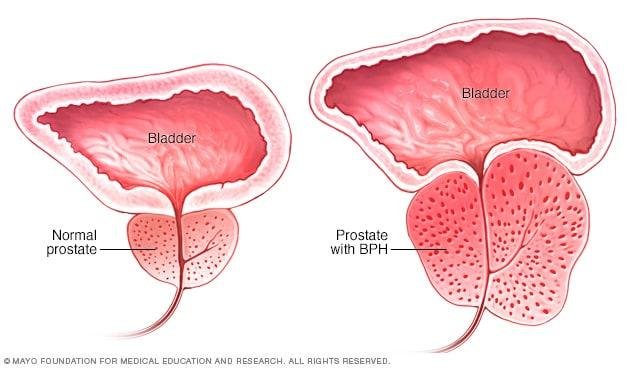
What Is BPH?
BPH stands for benign prostatic hyperplasia. It is a non-cancerous enlargement of the prostate gland. As the prostate grows, it can affect the urethra and contribute to lower urinary tract symptoms such as a weak urine stream, difficulty starting urination, increased frequency and nighttime urination.
If you are searching for what is BPH, the key point is that BPH is a benign condition and is not prostate cancer. However, an enlarged prostate can sometimes cause urinary symptoms that affect everyday life.
What Does Benign Prostatic Hyperplasia Mean?
What is BPH and what does the term actually mean? The word “benign” means that the condition is not cancer. “Prostatic” refers to the prostate, while “hyperplasia” describes an increase in the number of cells that can cause tissue to grow.
BPH is therefore the medical term commonly used for non-cancerous enlargement of the prostate.
Understanding what is BPH can help explain why some men experience urinary symptoms while others with an enlarged prostate may have few or no noticeable symptoms.
Knowing what is BPH also helps distinguish prostate enlargement from other conditions that may affect urinary health. BPH is common as men age, but prostate size and symptom severity do not always correspond directly.
What Is the Prostate?
The prostate is a small gland that forms part of the male reproductive system. It is located below the bladder and surrounds part of the urethra, the tube that carries urine out of the body.
Because the urethra passes through the prostate, changes in prostate tissue can affect the way urine flows.
Important: An enlarged prostate is not the same thing as prostate cancer. BPH is a benign condition. However, urinary symptoms can have several possible causes, so symptoms should not be used to diagnose BPH on their own.
Why Does the Prostate Become Enlarged?
The exact cause of BPH is not completely understood. Age-related changes appear to play an important role, and changes in male hormone levels, inflammation and other biological processes may contribute.
BPH becomes increasingly common with age, while symptoms are uncommon before age 40 and become more frequent in older men. Family history and certain health and lifestyle factors may also influence the likelihood of developing BPH.
Understanding what is BPH is particularly relevant for men who notice changes in their urinary habits as they get older.
What Are the Symptoms of BPH?
When learning what is BPH, it is also important to understand the symptoms that may occur. BPH can cause lower urinary tract symptoms, although not every man with an enlarged prostate experiences the same symptoms.
Common BPH symptoms may include:
- Weak or reduced urine flow
- Difficulty starting urination
- Urinary urgency
- Urinating more frequently
- Waking during the night to urinate
- Stopping and starting during urination
- Dribbling at the end of urination
- Feeling that the bladder has not completely emptied
These symptoms can also occur with other urinary or prostate conditions. That is why persistent symptoms should be evaluated rather than automatically attributed to BPH.
Explore Prostate Symptoms →Is BPH the Same as Prostate Cancer?
No. BPH and prostate cancer are different conditions. BPH is a non-cancerous enlargement of prostate tissue.
Having BPH does not mean that a person has prostate cancer. At the same time, urinary symptoms alone cannot reliably distinguish between different prostate conditions.
This is one reason why medical evaluation is important when urinary symptoms are persistent, troublesome or unusual.
Learn About Prostate Cancer →How Is BPH Diagnosed?
Knowing what is BPH does not mean that urinary symptoms can be diagnosed without testing. A healthcare professional may use a combination of medical history, physical examination and testing to understand urinary symptoms and determine their possible cause.
| Evaluation | What It Can Help Assess |
|---|---|
| Medical history | Symptoms, medications, health history and how urinary problems affect daily life. |
| Physical examination | Physical findings that may help evaluate prostate or urinary problems. |
| Urine testing | Other possible causes of urinary symptoms, including urinary tract problems. |
| Blood testing | Depending on the clinical situation, blood tests may form part of the evaluation. |
| Other testing | Additional tests may be considered depending on symptoms and the initial evaluation. |
The specific tests used depend on the individual situation. A diagnosis should be made by a qualified healthcare professional, not from symptoms or an online article alone.
Does BPH Affect PSA Levels?
PSA, or prostate-specific antigen, is a substance produced by prostate cells. PSA testing may be considered as part of prostate evaluation depending on a person’s age, symptoms, risk factors and clinical circumstances.
An enlarged prostate can be associated with an increased PSA level, but PSA results have to be interpreted in context. A PSA result by itself does not establish a diagnosis of BPH or prostate cancer.
Explore PSA & Prostate Testing →How Is BPH Treated?
Once what is BPH and its effects are understood, treatment decisions can be based on the severity of symptoms, how much they affect daily life, the individual’s health and the results of medical evaluation.
Depending on the situation, approaches may include:
- Monitoring symptoms when they are mild or not particularly bothersome.
- Lifestyle and behavioral changes.
- Prescription medications.
- Minimally invasive procedures or surgery when appropriate.
Understanding what is BPH and how it affects urination can help men have a more informed discussion with a healthcare professional about possible treatment options.
Explore BPH Treatment →Can Lifestyle Changes Help With BPH Symptoms?
Depending on the symptoms, healthcare professionals may recommend practical changes such as adjusting when fluids are consumed, particularly before sleep, or reducing beverages containing caffeine.
Lifestyle changes are not a substitute for medical evaluation, especially when symptoms are persistent or worsening.
BPH and Diet
Diet is frequently discussed in relation to prostate health, but it is important to distinguish general healthy eating from claims that a specific food can treat BPH.
Current NIDDK information notes that researchers have not established that eating, diet or nutrition causes or prevents prostate problems.
Explore Prostate Diet & Nutrition →What About BPH Supplements?
Many supplements are marketed for prostate health and urinary symptoms. However, products can contain different ingredients, doses and combinations, and evidence may vary substantially.
Supplements should not be assumed to treat BPH simply because they are marketed for prostate health. Anyone considering a supplement should discuss it with a qualified healthcare professional, especially when taking medications.
Explore Prostate Supplements →When Should You See a Doctor?
Persistent urinary symptoms deserve medical evaluation because BPH is only one possible explanation.
Seek medical attention promptly if you are unable to urinate. Medical evaluation is also important for symptoms such as blood in the urine, significant pain, fever or chills, difficulty starting or maintaining urine flow, or inability to completely empty the bladder.
Urgent situation: If you cannot urinate at all, seek medical help promptly rather than waiting for symptoms to resolve on their own.
Frequently Asked Questions About BPH
What Is BPH in simple terms?
If you are asking what is BPH in simple terms, BPH stands for benign prostatic hyperplasia. It means that the prostate has become enlarged without the enlargement itself being cancerous. The condition can sometimes affect urine flow and cause urinary symptoms.
Is BPH cancer?
No. BPH is benign, meaning the prostate enlargement itself is not cancer. However, urinary symptoms can have multiple causes and should be evaluated when appropriate.
Is BPH common as men get older?
Yes. BPH becomes increasingly common with age, and it is particularly common among older men.
Can you have BPH without symptoms?
Yes. An enlarged prostate does not necessarily cause bothersome urinary symptoms.
Does a larger prostate always mean worse symptoms?
No. Prostate size and symptom severity do not always correspond directly.
Can BPH be treated?
Yes. Depending on symptoms and individual circumstances, treatment may include monitoring, lifestyle changes, medications or procedures.
Can BPH go away on its own?
BPH is generally associated with age-related prostate enlargement rather than a temporary condition. Management depends on symptoms and individual circumstances.
Continue Learning About Enlarged Prostate
Sources & Further Reading
The medical information in this article is based primarily on public health information from the U.S. National Institute of Diabetes and Digestive and Kidney Diseases (NIDDK).
NIDDK — Urologic Diseases in America: BPH and Associated LUTS
Medical Disclaimer
Wellness Today provides educational health information and does not provide medical diagnosis or individualized treatment. This article is not a substitute for professional medical advice. If you have persistent, severe or concerning symptoms, consult a qualified healthcare professional.
Explore More Prostate Health Information
Return to our main prostate health guide to explore BPH, PSA testing, prostatitis, symptoms, treatment, nutrition and other topics.
← Back to Prostate Health