Prostate Supplements
Learn about commonly used ingredients, what the available evidence says, and explore our individual reviews of prostate supplements for men.
What Are Prostate Supplements?
Quick answer
Prostate supplements are dietary supplements marketed to support prostate health, urinary function, or related aspects of men’s health. They may contain botanical extracts, vitamins, minerals, or combinations of several ingredients.
The quality of evidence varies considerably between ingredients and products. A supplement should therefore be evaluated based on its specific ingredients, dosages, available research, and the claims made by its manufacturer.
Why Do Men Take Prostate Supplements?
Men may look for supplements when they want to learn more about prostate health, urinary symptoms, or nutritional approaches that may complement other healthy habits.
Common reasons include interest in urinary frequency, nighttime urination, weak urine flow, or general prostate health. However, these symptoms can have different causes, so a supplement should not be used to assume that a particular prostate condition is present.
If you are experiencing urinary symptoms, our guide to prostate symptoms can help explain some of the common signs and possible causes.
Common Ingredients in Prostate Supplements
Many prostate-health formulas use a combination of botanical ingredients, vitamins, minerals, and plant compounds. These ingredients should not be considered interchangeable, because the research and dosage can differ substantially.
Saw Palmetto
One of the most widely studied botanical ingredients in supplements marketed for urinary symptoms associated with an enlarged prostate. Research findings have been mixed, and recent evidence suggests that saw palmetto alone provides little or no benefit for many men with BPH-related urinary symptoms.
Pygeum
An extract from the African plum tree that has been studied for urinary symptoms and prostate-related concerns. Evidence remains limited, and product formulations and extracts can vary.
Stinging Nettle
A botanical ingredient sometimes included in prostate formulas. Research has examined its use for urinary symptoms, although the available evidence is not strong enough to treat it as a proven replacement for medical care.
Lycopene
A carotenoid found in foods such as tomatoes. It is frequently used in prostate-health supplements, although evidence regarding its ability to prevent or treat prostate conditions remains limited.
Zinc
An essential mineral involved in many biological processes. Some prostate formulas include zinc, but more is not necessarily better, and total intake from supplements and diet should be considered.
Pumpkin Seed
Pumpkin seeds and pumpkin seed extracts are used in some products marketed for prostate and urinary health. Evidence varies depending on the preparation and outcome being studied.
What Does the Evidence Say?
There is no single ingredient that can be considered a universal solution for prostate health. Research varies by ingredient, formulation, dose, and health condition.
| Ingredient | Why It Is Used | Evidence Considerations |
|---|---|---|
| Saw Palmetto | Urinary symptoms associated with BPH | Evidence is mixed; recent reviews have found little or no meaningful benefit when used alone. |
| Pygeum | Urinary and prostate-related symptoms | Some research exists, but evidence remains limited. |
| Stinging Nettle | Urinary symptoms | Studied for urinary symptoms, but evidence is not definitive. |
| Lycopene | General prostate-health interest | Evidence is insufficient to establish a clear therapeutic role. |
| Pumpkin Seed | Urinary and prostate-health support | Research exists, but findings depend on preparation and outcome. |
Prostate Supplements and BPH
Benign prostatic hyperplasia, commonly called BPH, is a non-cancerous enlargement of the prostate that becomes more common with age.
BPH can contribute to symptoms such as frequent urination, nighttime urination, urgency, dribbling, and weak urine flow.
If you are unfamiliar with BPH, start with What Is BPH? You can also learn about BPH symptoms .
Supplements are not the same as medical treatments for BPH. Depending on symptoms and individual circumstances, medical options may include monitoring, lifestyle changes, prescription medications, procedures, or surgery.
Prostate Supplement Reviews
Looking for a specific prostate supplement? Explore our individual product reviews to learn about ingredients, formulation, evidence, manufacturer claims, pricing, guarantees, and other factors.
We do not use this page as a ranking of the products. Each supplement is reviewed individually so you can learn more about the product before deciding whether to explore it further.
Fluxactive Complete
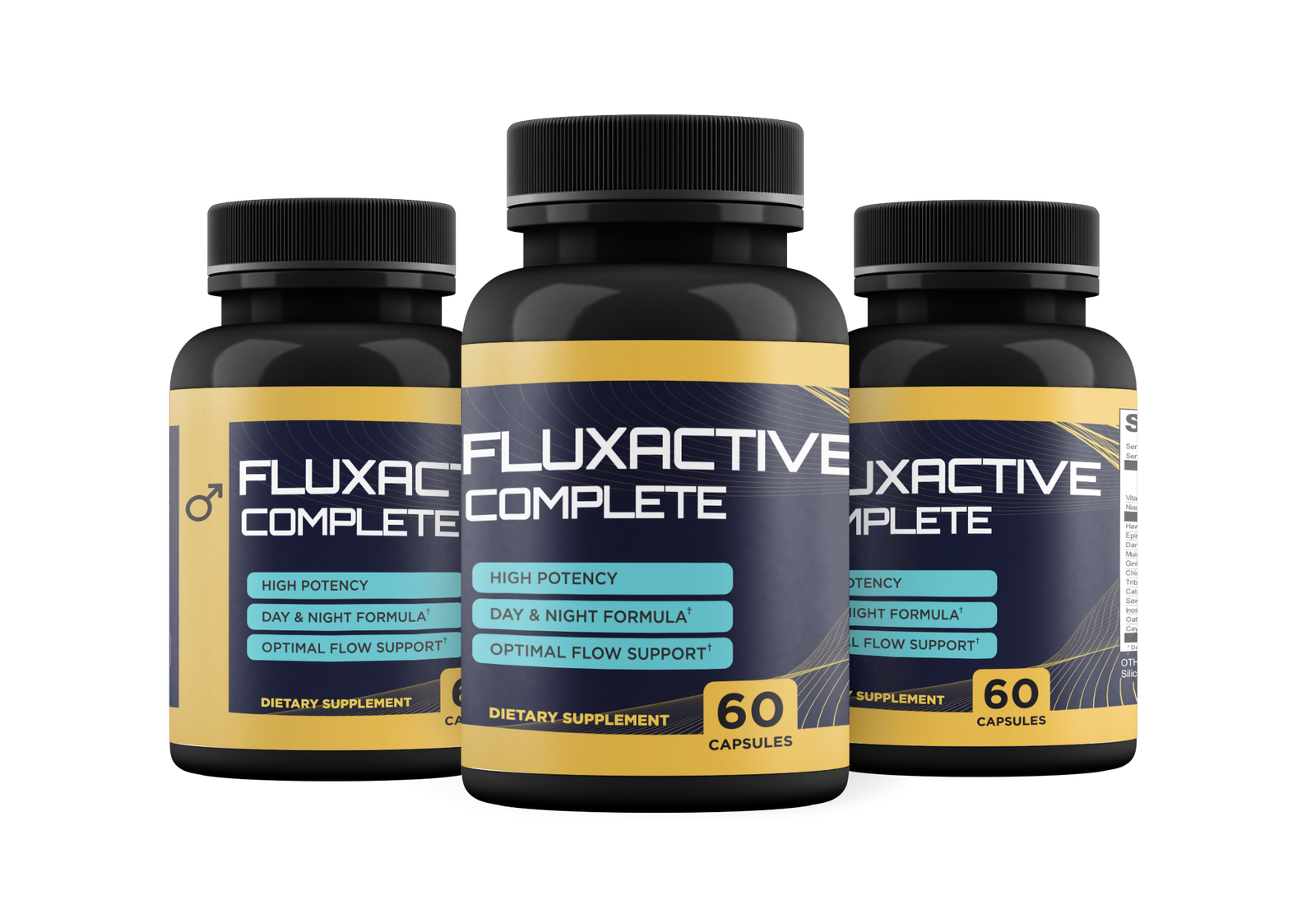
Fluxactive Complete is a dietary supplement marketed for men’s prostate and urinary health. Its formula combines several ingredients commonly found in prostate-health supplements.
The official website link above is an affiliate link. If you purchase through this link, Welness Today may receive a commission at no additional cost to you.
How to Choose a Prostate Supplement
If you are considering a supplement, looking beyond the product name and marketing claims can help you understand what you are actually buying.
Look at the complete formula rather than focusing only on the front of the bottle.
The amount of an ingredient can matter when comparing formulas.
Research on an individual ingredient does not automatically prove that a finished supplement will produce the same result.
Look for clear product information, labeling, contact information, and transparent purchasing terms.
If a product offers a money-back guarantee, read the actual terms before purchasing.
Supplements may interact with medications or may not be appropriate for everyone.
Supplements vs. Medical Treatment
Dietary supplements and medical treatments serve different purposes. Supplements may be used as part of a person’s approach to general health, but they should not automatically be considered substitutes for diagnosis or treatment.
For example, persistent weak urine flow or frequent nighttime urination can have multiple causes. Understanding the underlying cause is more important than simply choosing a supplement.
You can learn more about weak urine flow and frequent urination at night in our dedicated guides.
Can Diet Support Prostate Health?
Supplements are only one part of the broader discussion around men’s health. Diet, physical activity, body weight, sleep, and other lifestyle factors can also be relevant to overall health.
If you are interested in the nutritional side of prostate health, see our guide to prostate diet and nutrition .
When Should You Talk to a Doctor?
Do not use a supplement to delay medical evaluation
Prostate and urinary symptoms can have different causes. Medical evaluation may be appropriate if symptoms are persistent, worsening, or interfering with daily life.
Seek prompt medical attention for concerning symptoms such as blood in the urine, inability to urinate, severe pain, fever with urinary symptoms, or other symptoms that require urgent evaluation.
You can also learn more about PSA and prostate testing and prostate cancer symptoms .
How We Review Prostate Supplements
When we publish an individual supplement review, we look at several aspects of the product rather than relying only on the manufacturer’s marketing material.
- Ingredients and formulation
- Available research on relevant ingredients
- Manufacturer claims
- Serving information and product instructions
- Pricing and purchasing terms
- Guarantee and refund information when available
- Potential limitations and important considerations
Testimonials or statements published by a manufacturer are identified as such and should not be treated as independent clinical evidence.
Related Prostate Health Guides
Explore our other guides to better understand prostate conditions, symptoms, testing, and lifestyle factors.
Frequently Asked Questions
What are prostate supplements?
Prostate supplements are dietary supplements marketed to support prostate health or urinary function. They may contain botanical extracts, vitamins, minerals, or combinations of ingredients.
Do prostate supplements treat BPH?
Supplements should not automatically be considered treatments for BPH. Evidence varies substantially between ingredients, and established medical treatments are available for men who require them.
What ingredients are commonly found in prostate supplements?
Common ingredients include saw palmetto, Pygeum, stinging nettle, lycopene, pumpkin seed extracts, zinc, and other vitamins, minerals, and botanical compounds.
Is saw palmetto proven to improve prostate symptoms?
Evidence is mixed. Recent evidence reviewed by the National Center for Complementary and Integrative Health indicates that saw palmetto alone provides little or no benefit for urinary symptoms associated with BPH in many men.
How do you review prostate supplements?
We examine the product’s ingredients, formulation, available research, manufacturer claims, purchasing terms, guarantee information, and important limitations. Manufacturer testimonials are not treated as independent clinical evidence.
Can I take a prostate supplement instead of seeing a doctor?
A supplement should not be used to delay medical evaluation of persistent, worsening, or concerning urinary or prostate symptoms.
Sources & Further Reading
Affiliate Disclosure
Some links on Welness Today are affiliate links. This means that if you purchase a product through one of these links, we may receive a commission at no additional cost to you.
Our affiliate relationship does not change the purpose of our product reviews. We aim to distinguish manufacturer claims from available evidence and provide information that can help readers make their own decisions.
Explore Prostate Supplement Reviews
Start with the product that interests you and explore its ingredients, formulation, evidence, and purchasing information in our detailed review.