10 Prostate Symptoms Men Should Know
Prostate symptoms can affect urination, bladder control, sexual function, and overall comfort. Learn which changes may be linked to common prostate problems and when they should be evaluated.
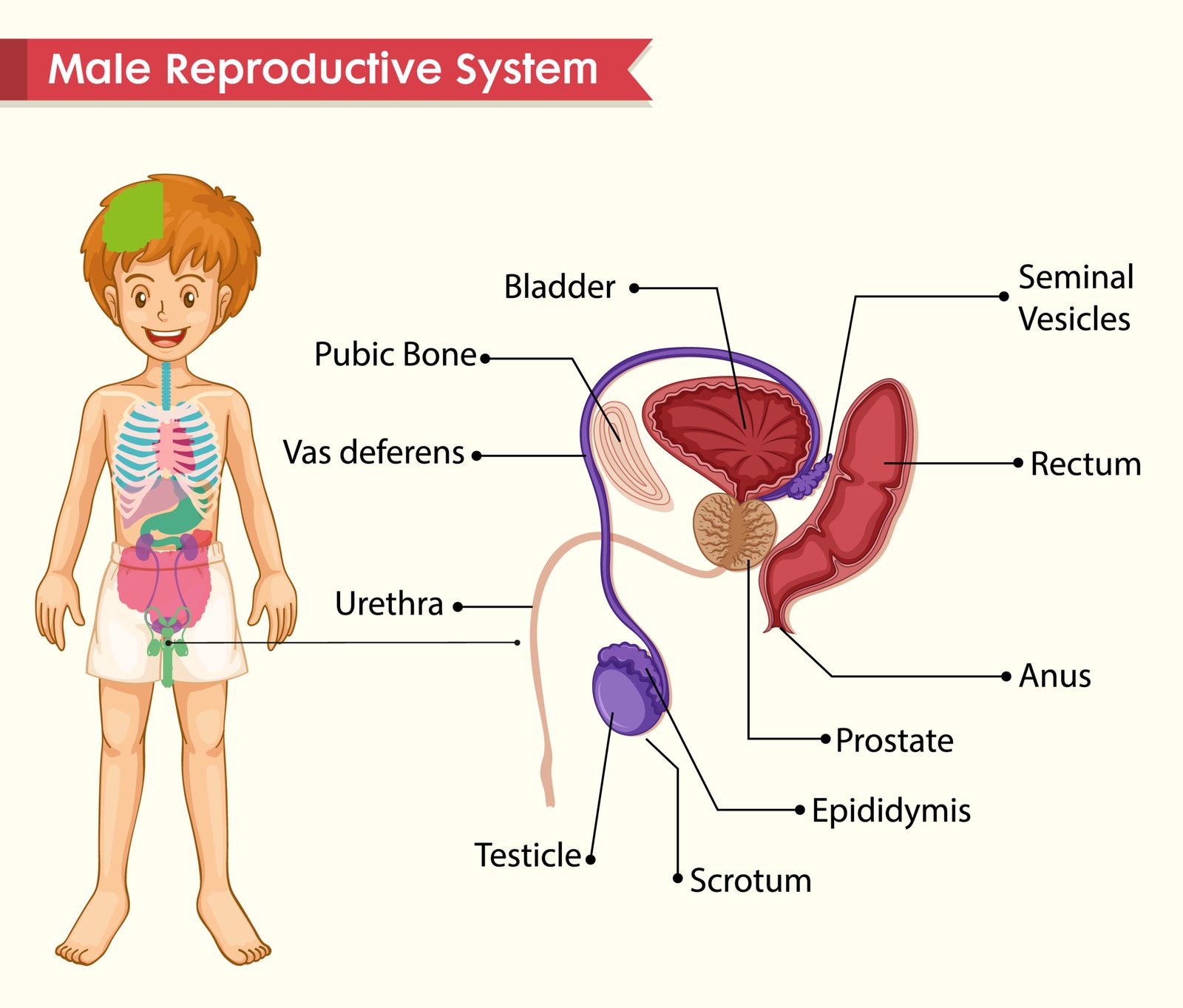
What are common prostate symptoms?
Common prostate symptoms include a weak or slow urine stream, difficulty starting urination, frequent urination, waking at night to urinate, urgency, dribbling, and a feeling that the bladder has not completely emptied. Some men may also experience pain, blood in the urine or semen, or sexual changes depending on the underlying prostate problem.
Understanding prostate symptoms
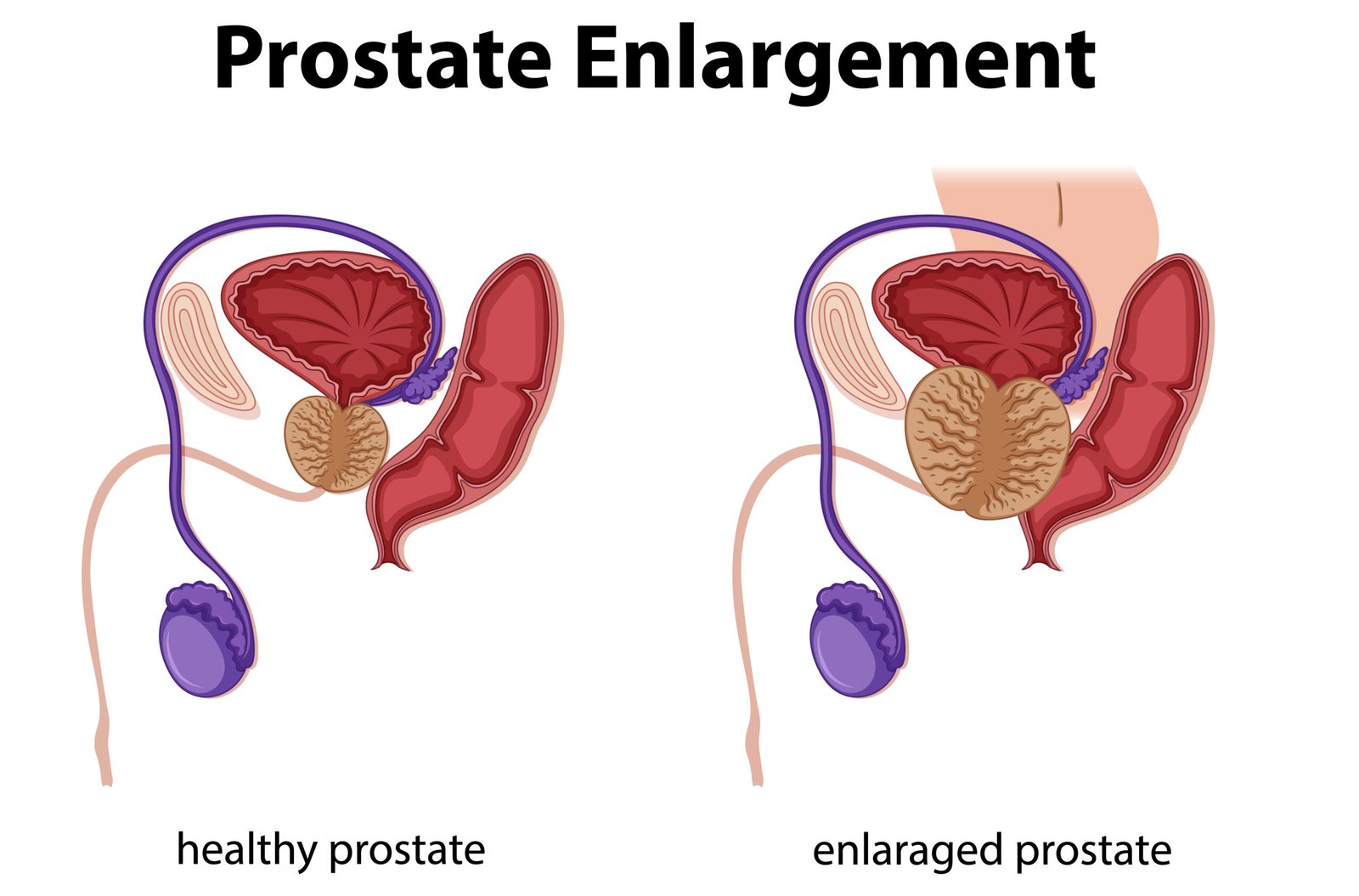
The prostate is a small gland located below the bladder and surrounding part of the urethra. Because of its location, changes in the prostate can affect the way urine passes from the bladder.
Prostate symptoms can occur with several different conditions, including benign prostatic hyperplasia (BPH), prostatitis, and prostate cancer.
Importantly, the same symptom can have different causes. For example, weak urine flow may occur with an enlarged prostate, but urinary symptoms can also have other causes. That is why persistent or concerning symptoms should be evaluated rather than self-diagnosed.
10 Prostate Symptoms Men Should Know
1. Weak urine flow
A urine stream that feels weaker or slower than it used to can be one of the most noticeable prostate symptoms. An enlarged prostate can narrow the passage through which urine leaves the bladder.
Learn more about this symptom in our guide to weak urine flow in men.
2. Difficulty starting urination
Some men experience difficulty getting the urine stream started, even when they feel they need to urinate.
This is sometimes called urinary hesitancy and can occur with prostate enlargement and other urinary conditions.
3. Frequent urination
Needing to urinate more frequently than usual can be another prostate symptom. BPH can affect bladder function and may lead to more frequent trips to the bathroom.
4. Frequent urination at night
Waking up repeatedly during the night to urinate is known as nocturia. It can occur with BPH, but nighttime urination can also have causes that are unrelated to the prostate.
Read our detailed guide: Frequent Urination at Night: Causes and What It May Mean.
5. Urinary urgency
Urgency is the sudden or difficult-to-delay need to urinate. Men with prostate problems may experience urgency along with other lower urinary tract symptoms.

6. Dribbling after urination
Some men notice a small amount of urine leaking or dribbling after they believe they have finished urinating.
Persistent post-urination dribbling can occur with lower urinary tract problems and is worth discussing with a healthcare professional if it becomes bothersome or continues.
7. Feeling that the bladder has not emptied
A sensation of incomplete bladder emptying is another symptom that can occur with prostate problems.
If the bladder does not empty properly, urinary retention and other complications can sometimes develop.
8. Pain or burning during urination
Pain or burning when urinating is not specific to one prostate condition. It can occur with prostatitis and may also be associated with urinary tract problems.
If painful urination is persistent, severe, or accompanied by fever, chills, or other concerning symptoms, medical evaluation is important.
9. Blood in the urine or semen
Blood in the urine or semen can have several possible causes and should not automatically be attributed to the prostate.
Blood in the urine should be evaluated by a healthcare professional. The cause may involve the prostate, urinary tract, kidneys, or another condition.
10. Pelvic, lower abdominal, or prostate-area discomfort
Some men with prostatitis may experience pain or discomfort involving the penis, scrotum, area between the scrotum and anus, abdomen, or lower back.
Persistent pelvic discomfort should be evaluated because the possible causes can vary considerably.
Prostate Symptoms and What They May Mean
Prostate symptoms do not point to one diagnosis by themselves. The same urinary symptom may occur with different conditions.
| Symptom | Possible associations |
|---|---|
| Weak urine stream | BPH, prostatitis, urethral or urinary tract problems |
| Difficulty starting urination | BPH and other urinary conditions |
| Frequent urination | BPH, bladder conditions, urinary tract problems and other causes |
| Waking at night to urinate | BPH, nocturia and other conditions |
| Pelvic discomfort | Prostatitis and other pelvic or urinary conditions |
| Painful urination | Prostatitis, urinary tract infection and other causes |
| Blood in urine or semen | Several possible prostate, urinary tract or other causes |
Prostate Symptoms and BPH
Benign prostatic hyperplasia, or BPH, is an enlarged prostate that is not caused by cancer. It becomes more common with age.
Common BPH symptoms include frequent or urgent urination, nighttime urination, difficulty starting urination, weak or interrupted urine flow, dribbling, and incomplete bladder emptying.
If these symptoms sound familiar, see our complete guide: Enlarged Prostate: BPH Guide.
You can also learn more about BPH symptoms and BPH treatment options.

Prostate Symptoms and Prostatitis
Prostatitis refers to inflammation or swelling of the prostate. Some forms are caused by bacterial infection, while chronic prostatitis can occur without an identifiable bacterial infection.
Depending on the type, symptoms may include pelvic or prostate-area pain, painful urination, urinary difficulty, incomplete bladder emptying, or other urinary symptoms.
Read our complete guide: Prostatitis: Symptoms, Causes, Types and Treatment.
Prostate Symptoms and Prostate Cancer
One important point about prostate cancer is that early disease often causes no symptoms. This means that waiting for symptoms is not a reliable way to determine whether prostate cancer is present.
When prostate cancer does cause symptoms, possible changes can include urinary problems, blood in the urine or semen, and, in more advanced disease, symptoms related to spread of the cancer.
Learn more: 7 Prostate Cancer Symptoms Men Should Know.
Prostate Symptoms and PSA Testing
A PSA test is a blood test that measures prostate-specific antigen, a protein produced by the prostate.
PSA can be elevated in men with prostate cancer, but it can also rise because of less serious prostate conditions such as BPH or prostatitis. Therefore, a high PSA result does not by itself establish a diagnosis of prostate cancer.
Learn more about what PSA testing means: PSA Test: What It Means and When Men May Need It.

When should prostate symptoms be evaluated?
Persistent or bothersome prostate symptoms should be discussed with a healthcare professional. Evaluation can help determine whether the symptoms are related to BPH, prostatitis, another urinary condition, or something else.
Seek prompt medical attention if you are unable to urinate at all. Acute urinary retention can require immediate medical treatment.
Other symptoms that warrant medical evaluation include blood in the urine, fever or chills, significant abdominal or pelvic pain, painful urination, or major changes in urinary function.
How are prostate problems diagnosed?
A healthcare professional may consider your symptoms, medical history, family history, and physical examination when evaluating prostate problems.
Depending on the situation, evaluation may include urine tests, blood tests such as PSA, urinary tract testing, imaging, or other diagnostic procedures.
A prostate biopsy may be used when doctors need to determine whether prostate cancer is present.
Prostate Symptoms: Frequently Asked Questions
What is the most common prostate symptom?
Urinary changes are among the most common symptoms associated with prostate problems. These may include weak urine flow, frequent urination, urgency, difficulty starting, and nighttime urination.
Can an enlarged prostate cause frequent urination?
Yes. BPH can cause frequent urination and increased nighttime urination, along with other lower urinary tract symptoms.
Can prostate problems cause a weak urine stream?
Yes. An enlarged prostate can affect urine flow because the prostate surrounds part of the urethra. However, weak urine flow can have other causes as well.
Do prostate symptoms always mean cancer?
No. Many prostate symptoms are associated with conditions such as BPH or prostatitis. In addition, early prostate cancer often causes no symptoms.
Can prostatitis cause urinary symptoms?
Yes. Depending on the type of prostatitis, men may experience painful urination, urinary difficulty, incomplete bladder emptying, or other urinary changes.
Should men ignore mild prostate symptoms?
Persistent symptoms should not simply be ignored. Even mild urinary changes can have several possible causes, and a healthcare professional can help determine whether evaluation is appropriate.
Related Prostate Health Guides
Medical Sources
Medical Disclaimer
This article is provided for general educational and informational purposes only. It is not intended to diagnose, treat, cure, or prevent any disease or medical condition. Prostate symptoms can have many different causes. If you have persistent, worsening, painful, or concerning symptoms, speak with a qualified healthcare professional.