PSA Test: What It Means and When Men May Need It
The PSA test is a blood test commonly used when evaluating prostate health. Learn what PSA measures, what a high result may mean, and why one PSA number does not tell the whole story.
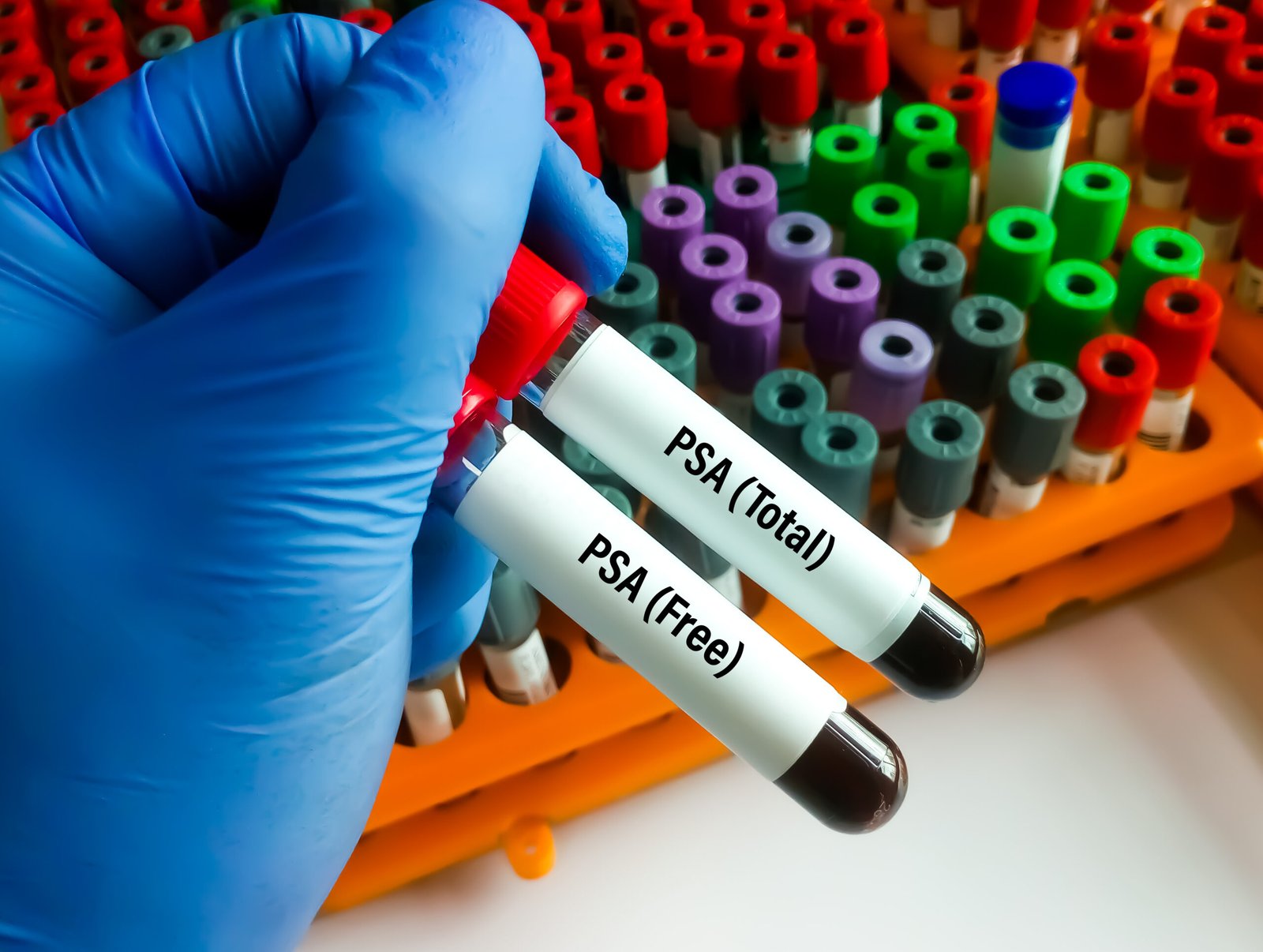
What is a PSA test?
A PSA test is a blood test that measures the amount of prostate-specific antigen (PSA) in the blood. PSA is a protein produced by cells in the prostate.
Why is the PSA test used?
The PSA test can be used as part of an evaluation of prostate health, including when doctors are considering prostate cancer screening.
However, PSA is not specific to prostate cancer. A higher-than-expected PSA level can also occur with noncancerous prostate conditions such as benign prostatic hyperplasia (BPH) or prostatitis.
This is one reason why a PSA result should be interpreted together with other information rather than viewed by itself.

What does PSA measure?
PSA stands for prostate-specific antigen. It is a protein produced by the prostate gland and can be detected in the blood.
The amount of PSA in the blood can vary between men and can also change over time. For this reason, doctors may consider previous PSA results, symptoms, prostate size, age, and other clinical information when interpreting a result.
Important: A high PSA does not automatically mean that a man has prostate cancer. Conditions such as BPH and prostatitis can also increase PSA levels.
What can cause a high PSA level?
Several prostate-related conditions can affect PSA levels. Some of the possible reasons include:
- Prostate cancer
- Benign prostatic hyperplasia (BPH)
- Prostatitis or inflammation of the prostate
- Changes in PSA over time
Because several conditions can affect PSA, a single elevated result may require further evaluation rather than an immediate conclusion.
PSA result: what does it tell you?
| PSA finding | What it may mean |
|---|---|
| PSA within the expected range | This can be reassuring, but a PSA test cannot completely rule out prostate cancer. |
| Elevated PSA | May be associated with prostate cancer, BPH, prostatitis, or other prostate-related factors. |
| PSA that changes over time | Doctors may look at previous results and the overall clinical picture when evaluating the change. |

When should men get a PSA test?
There is no single screening schedule that applies to every man. The decision can depend on age, risk factors, life expectancy, personal preferences, and a discussion with a healthcare professional.
The American Cancer Society recommends that men have an informed discussion about prostate cancer screening with a healthcare provider before deciding whether to be tested.
Average-risk men
The American Cancer Society recommends beginning the discussion around age 50 for men at average risk who are expected to live at least another 10 years.
Men at higher risk
The discussion may begin earlier for men at higher risk, including men with certain family histories and men of African ancestry.
Men with more than one close relative diagnosed with prostate cancer before age 65 may need to discuss screening at an even younger age.
Screening is an individual decision. PSA testing can have potential benefits, but it can also lead to false-positive results, additional testing, biopsies, and detection of cancers that might not otherwise have caused problems. Discuss the potential benefits and harms with a healthcare professional.
What does the USPSTF say about PSA screening?
The U.S. Preventive Services Task Force recommends that men ages 55 to 69 make an individual decision about PSA-based screening after discussing potential benefits and harms with a clinician.
For men age 70 and older, the USPSTF recommends against routine PSA-based screening because the expected harms outweigh the potential benefits for this age group.
These recommendations apply to men without symptoms or a previous diagnosis of prostate cancer.

Can an enlarged prostate raise PSA?
Yes. An enlarged prostate, also called benign prostatic hyperplasia or BPH, can contribute to an elevated PSA level.
BPH is a noncancerous enlargement of the prostate that becomes more common as men age.
If you are experiencing urinary symptoms such as weak urine flow, difficulty starting urination, or frequent nighttime urination, learn more about enlarged prostate and BPH symptoms .
Can prostatitis raise PSA?
Yes. Inflammation of the prostate, including prostatitis, can increase PSA levels.
This is why an elevated PSA should not automatically be interpreted as prostate cancer.
You can learn more about prostate inflammation in our guide to prostatitis symptoms, causes, and treatment .
What happens if PSA is elevated?
An elevated PSA result does not automatically mean that a biopsy or cancer treatment is needed.
Depending on the individual situation, a healthcare professional may consider repeating the PSA test, reviewing previous PSA results, performing a physical examination, or ordering additional tests.
Additional testing may help determine whether further evaluation is appropriate.

PSA Test: Frequently Asked Questions
Is a PSA test a blood test?
Yes. PSA testing is performed using a blood sample to measure the amount of prostate-specific antigen in the blood.
Does a high PSA mean prostate cancer?
No. A high PSA can occur with prostate cancer, but it can also occur with conditions such as BPH and prostatitis.
Can BPH increase PSA?
Yes. An enlarged prostate can contribute to an increased PSA level.
Can prostatitis increase PSA?
Yes. Inflammation of the prostate can increase PSA.
Is PSA testing the same as a prostate cancer diagnosis?
No. PSA is a screening and evaluation tool. A PSA result by itself does not diagnose prostate cancer.
Should every man have a PSA test?
Screening decisions depend on factors such as age, risk, personal preferences, and discussion with a healthcare professional.
Related Prostate Health Guides
Sources
Medical Disclaimer
This article is for educational and informational purposes only. It is not intended to provide medical advice, diagnosis, or treatment. PSA results should be interpreted by a qualified healthcare professional in the context of your individual health history and risk factors.
Explore more information about prostate health.
Explore Prostate Health →