7 Prostate Cancer Symptoms: Early Signs Men Should Know
Prostate cancer symptoms can be difficult to recognize because early prostate cancer usually causes no noticeable symptoms. Learn which changes may occur and when they should be evaluated.
What are the 7 prostate cancer symptoms?
Possible prostate cancer symptoms include problems urinating, a weak or slow urinary stream, frequent urination, blood in the urine or semen, erectile difficulties, and persistent pain in the back, hips, or pelvis. However, early prostate cancer usually causes no symptoms.
Understanding prostate cancer symptoms
Prostate cancer symptoms are not always present when the disease begins. In fact, early prostate cancer usually does not cause noticeable symptoms.
Many prostate cancers are discovered through screening before they cause noticeable problems. This is one reason understanding screening and discussing prostate health with a healthcare professional can be important.
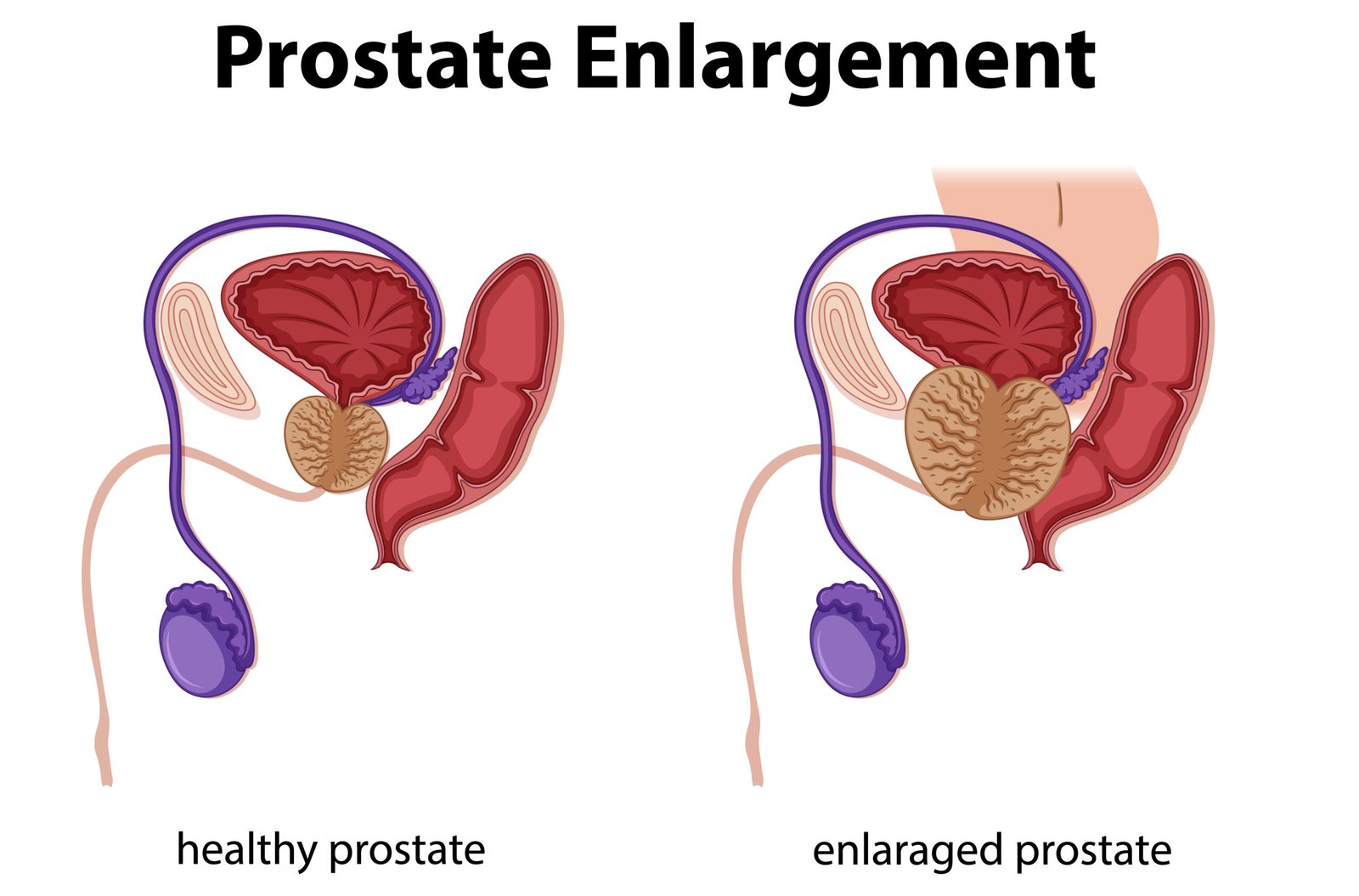
When symptoms do occur, they can resemble symptoms caused by other prostate or urinary conditions, including benign prostatic hyperplasia (BPH).
Important: Having one or more of these symptoms does not mean that a man has prostate cancer. Several noncancerous conditions can cause similar symptoms.
7 Prostate Cancer Symptoms Men Should Know
The following symptoms can occur with prostate cancer, particularly as the disease grows. They can also have many other causes.
- Weak or slow urine flow
- Difficulty starting urination
- Frequent urination, especially at night
- Blood in the urine or semen
- Difficulty getting or maintaining an erection
- Persistent pain in the back, hips, or pelvis
- Weakness or numbness in the legs or feet

Prostate Cancer Symptoms and What They May Mean
| Possible symptom | What it may mean |
|---|---|
| Weak or slow urine stream | Can occur with prostate cancer, but is also common with BPH and other urinary conditions. |
| Frequent urination | May occur with prostate problems, urinary conditions, or other causes. |
| Blood in urine or semen | Can have several causes and should be evaluated by a healthcare professional. |
| Erectile difficulties | Can have many possible causes and may occur with advanced prostate cancer. |
| Back, hip, or pelvic pain | Persistent pain can have many causes. In advanced prostate cancer, cancer-related bone pain may occur. |
Prostate Cancer Symptoms vs. BPH Symptoms
One of the most important things to understand about prostate cancer symptoms is that urinary changes do not automatically indicate cancer.
Benign prostatic hyperplasia, or BPH, is a noncancerous enlargement of the prostate that becomes more common with age.
BPH can cause weak urine flow, difficulty starting urination, frequent urination, and waking up to urinate during the night.
Learn more about enlarged prostate and BPH symptoms .

Prostate Cancer Symptoms vs. Prostatitis
Prostatitis is inflammation of the prostate. Depending on the type, it may cause urinary symptoms, pelvic discomfort, painful urination, or other symptoms.
Prostatitis is not the same condition as prostate cancer. However, inflammation of the prostate can sometimes affect PSA levels, which can make prostate evaluation more complex.
Learn more about prostatitis symptoms, causes, types, and treatment .
Can early prostate cancer cause symptoms?
Usually, no. Early prostate cancer commonly causes no noticeable symptoms.
When prostate cancer is detected before symptoms appear, it may have been identified through screening or an evaluation for another reason.
This is why the absence of prostate cancer symptoms should not be interpreted as proof that prostate cancer is impossible.

Symptoms of advanced prostate cancer
Advanced prostate cancer means the cancer has grown beyond the prostate and may have spread to other areas of the body.
At this stage, prostate cancer symptoms can include:
- Problems urinating
- Blood in the urine or semen
- Erectile difficulties
- Persistent pain in the hips, back, or pelvis
- Bone pain
- Weakness or numbness in the legs or feet
- Problems controlling the bladder or bowel
These symptoms can also occur for reasons unrelated to prostate cancer. Persistent or unexplained symptoms should therefore be evaluated rather than self-diagnosed.
Do not try to diagnose prostate cancer from symptoms alone. Urinary symptoms are common and may result from BPH, prostatitis, urinary tract problems, medications, or other conditions.
When should you see a doctor?
Consider talking with a healthcare professional if you notice persistent or unexplained changes such as:
- A new or worsening weak urine stream
- Difficulty starting urination
- Frequent urination that is new or worsening
- Blood in the urine or semen
- Persistent pain in the back, hips, or pelvis
- New or unexplained erectile difficulties
Seek urgent medical attention if you cannot urinate. Acute urinary retention can require immediate medical care.
Prostate Cancer Symptoms and PSA Testing
PSA testing is a blood test that measures prostate-specific antigen, a protein produced by the prostate.
A high PSA level can occur with prostate cancer, but it can also occur with less serious prostate problems such as BPH or prostatitis.
Therefore, a PSA result by itself does not diagnose prostate cancer.
Read our complete guide to PSA prostate testing to learn what the test measures and what different results may mean.

How is prostate cancer diagnosed?
Prostate cancer cannot be diagnosed from symptoms alone.
Depending on the situation, a healthcare professional may review medical and family history, perform a physical examination, order a PSA blood test, and consider other tests.
If prostate cancer is suspected, a prostate biopsy may be needed to confirm the diagnosis.
The appropriate evaluation depends on the individual’s situation and should be determined with a qualified healthcare professional.
Prostate Cancer Symptoms: Frequently Asked Questions
What are the early symptoms of prostate cancer?
Early prostate cancer usually causes no symptoms. When symptoms occur, urinary changes and blood in the urine or semen can be among the possible signs.
Can prostate cancer cause weak urine flow?
It can, but weak urine flow is also very common with BPH and other urinary conditions.
Can prostate cancer cause frequent urination at night?
It can, but frequent nighttime urination also has many other possible causes, including BPH.
Does blood in semen mean prostate cancer?
No. Blood in semen can have several causes and does not automatically indicate cancer.
Does prostate cancer cause pain?
Early prostate cancer usually does not cause pain. Persistent pain in the back, hips, or pelvis can occur with more advanced disease.
Can BPH cause symptoms similar to prostate cancer?
Yes. BPH can cause several urinary symptoms that may also occur with prostate cancer.
Can a PSA test diagnose prostate cancer?
No. PSA testing can help evaluate prostate health, but a PSA result alone cannot diagnose prostate cancer.
Related Prostate Health Guides
Sources
Medical Disclaimer
This article is for educational and informational purposes only. It is not intended to provide medical advice, diagnosis, or treatment. If you have persistent urinary, sexual, or other concerning symptoms, speak with a qualified healthcare professional.
Explore more information about prostate health.
Explore Prostate Health →