Prostate Diet: 12 Foods for Better Prostate Health
A healthy prostate diet is less about one “miracle” food and more about building a balanced eating pattern. Learn which foods can fit into a prostate-friendly diet and which choices are worth limiting.
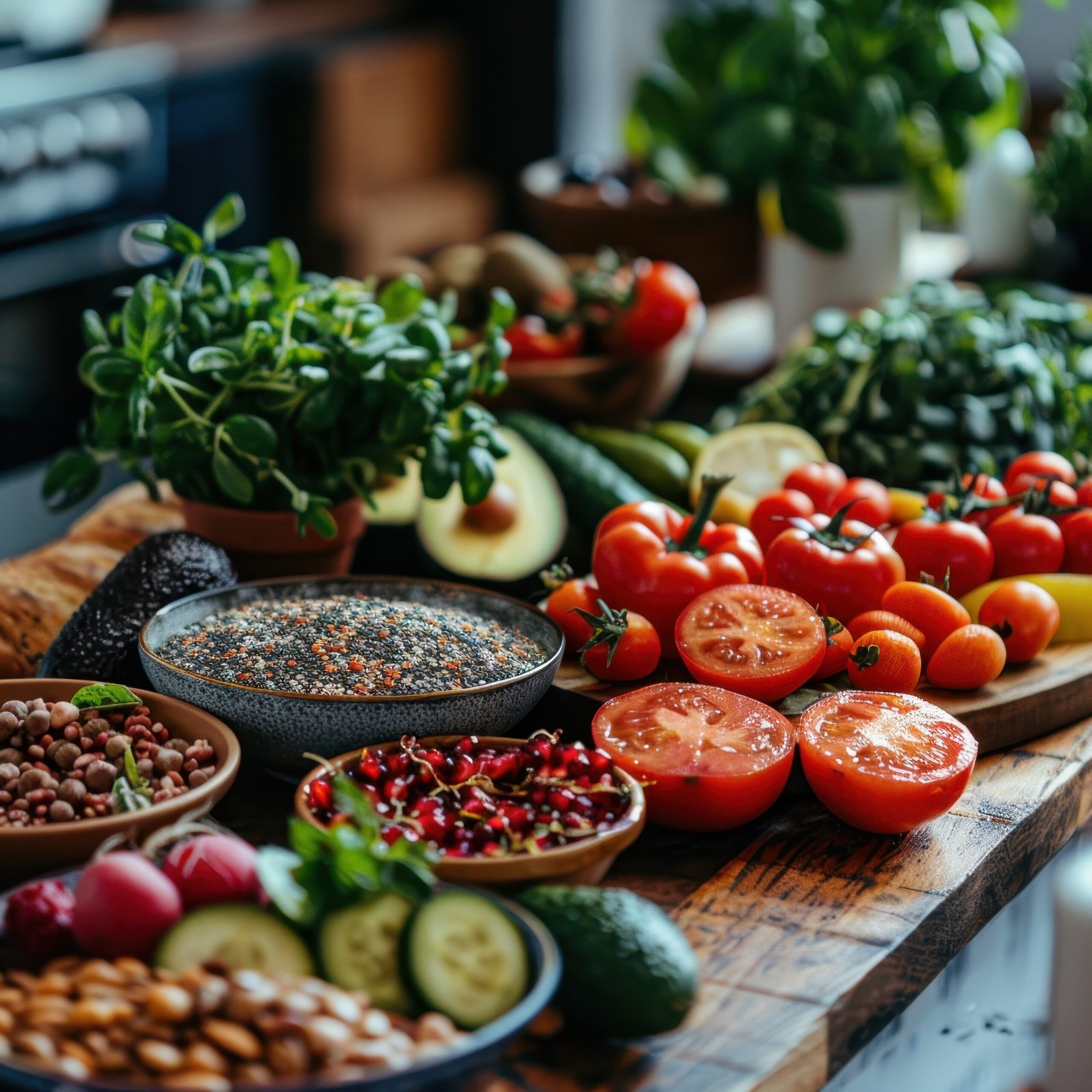
What is the best diet for prostate health?
There is no single diet proven to prevent all prostate problems. However, a healthy eating pattern can include plenty of vegetables, fruits, whole grains, beans, nuts, fish, and other nutrient-rich foods, while limiting highly processed foods, sugary drinks, and processed meats.
What is a prostate diet?
The term “prostate diet” is often used to describe an eating pattern focused on foods that support overall health while emphasizing vegetables, fruits, whole grains, legumes, healthy fats, and quality protein sources.
It is important to keep expectations realistic. Researchers have not established that a particular diet can prevent prostate problems such as benign prostatic hyperplasia, prostatitis, or prostate cancer.
However, the American Cancer Society recommends a healthy eating pattern that includes a variety of vegetables, fruits, whole grains, beans, and other nutrient-rich foods while limiting red and processed meats, sugar-sweetened beverages, and highly processed foods.
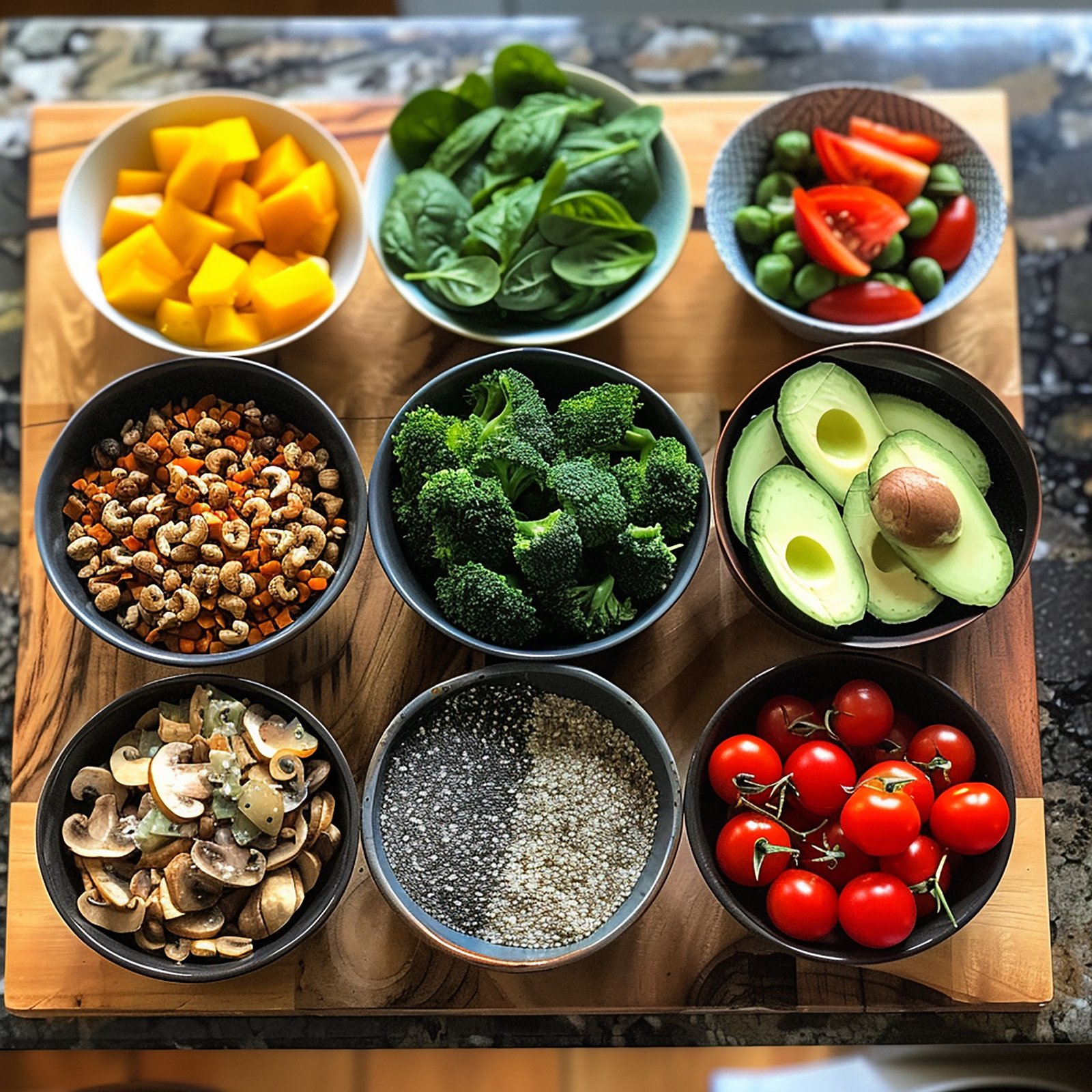
12 Foods That Can Fit Into a Prostate Diet
1. Tomatoes
Tomatoes provide lycopene and can be an easy addition to salads, sauces, soups, and other meals. Research has examined lycopene and prostate cancer risk, but evidence does not establish tomatoes as a treatment or guaranteed preventive food.
2. Broccoli
Broccoli is a cruciferous vegetable rich in fiber and nutrients. Other cruciferous vegetables include cauliflower, cabbage, and Brussels sprouts.
3. Leafy green vegetables
Spinach, kale, collard greens, and other dark green vegetables provide fiber, vitamins, minerals, and other plant compounds.
4. Berries
Blueberries, strawberries, raspberries, and other berries provide fiber and a variety of naturally occurring plant compounds.
5. Beans
Beans provide plant-based protein and fiber and can replace some meals or dishes that would otherwise contain processed or red meat.
6. Whole grains
Oatmeal, barley, brown rice, quinoa, and other whole grains provide fiber and can replace refined grain products.
7. Fish
Fish can provide protein and unsaturated fats. Fatty fish such as salmon, sardines, and trout are especially rich in omega-3 fatty acids.
8. Nuts and seeds
Nuts and seeds provide healthy fats, protein, fiber, vitamins, and minerals. Examples include walnuts, almonds, chia seeds, and flaxseeds.
9. Citrus fruits
Oranges, grapefruit, lemons, and other citrus fruits can add vitamin C, fiber, and variety to a balanced diet.
10. Soy foods
Foods such as tofu, tempeh, edamame, and soy milk provide plant-based protein and naturally occurring isoflavones.
11. Olive oil
Extra-virgin olive oil is a source of unsaturated fat and can be used in place of some saturated fats when preparing meals.
12. Colorful vegetables
Carrots, peppers, squash, sweet potatoes, and other colorful vegetables increase the variety of nutrients and plant compounds in the diet.
Foods to Limit in a Prostate Diet
A prostate-friendly eating pattern is not about completely eliminating individual foods. Instead, the overall balance of the diet matters.
Processed meats
Bacon, sausages, hot dogs, and other processed meats are foods worth limiting. The American Cancer Society recommends choosing more protein from sources such as fish, poultry, and beans instead of red meat.
Large amounts of red meat
Beef, pork, lamb, and other red meats can be part of some diets, but reducing the amount and choosing other protein sources more often can make the overall eating pattern more plant-forward.
Sugar-sweetened beverages
Soda, sweetened energy drinks, and other sugary beverages can add large amounts of added sugar without providing much nutritional value.
Highly processed foods
Highly processed snacks, sweets, fast foods, and ready-to-eat products can be high in calories, sodium, added sugar, and unhealthy fats.
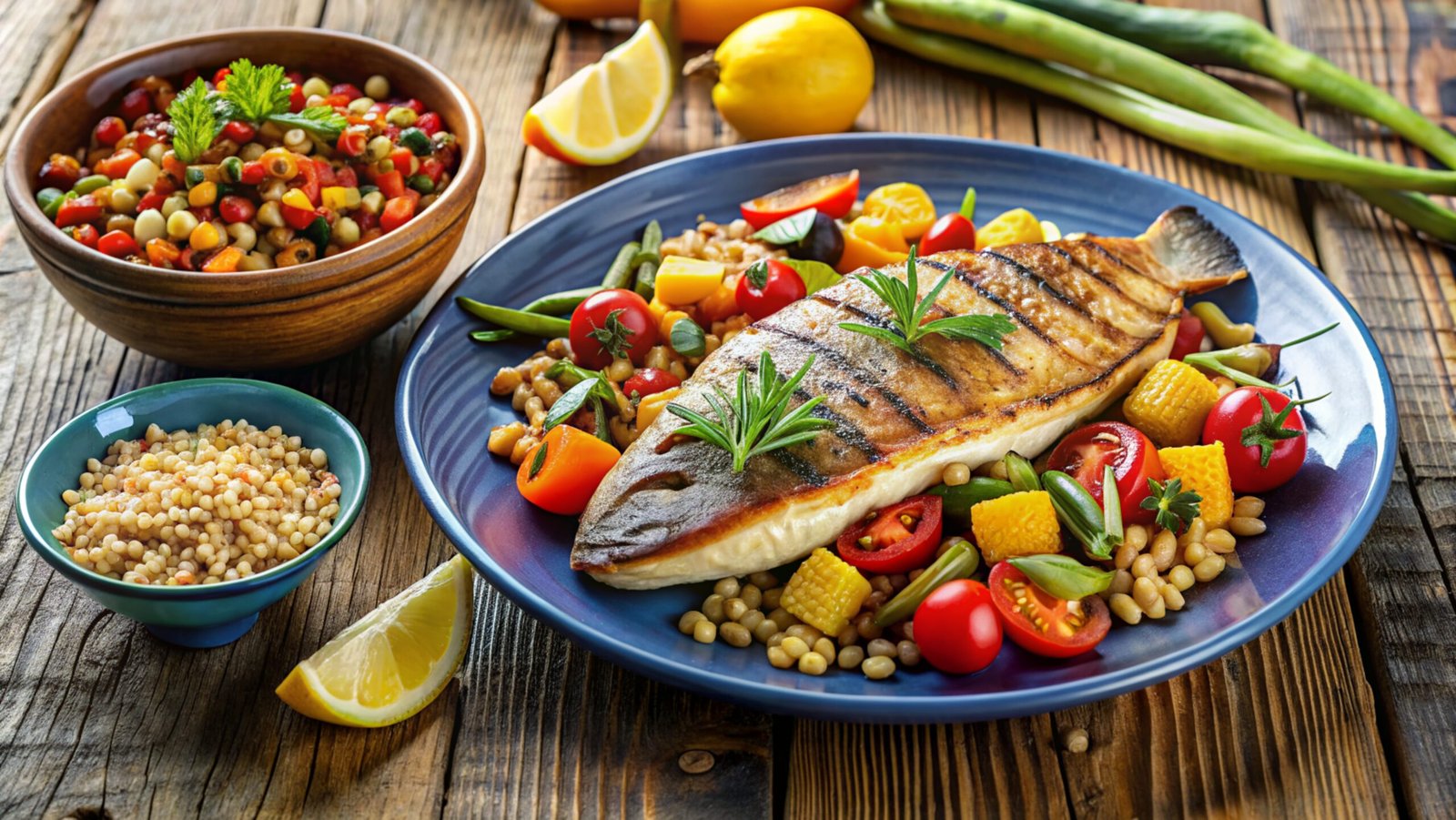
Prostate-Friendly Foods at a Glance
| Food group | Examples | Why include them? |
|---|---|---|
| Vegetables | Broccoli, spinach, peppers, carrots | Fiber, vitamins, minerals, and plant compounds |
| Fruits | Berries, oranges, apples | Fiber and a variety of nutrients |
| Whole grains | Oats, quinoa, barley, brown rice | Fiber and other nutrients |
| Legumes | Beans, lentils, peas | Plant protein and fiber |
| Fish | Salmon, sardines, trout | Protein and unsaturated fats |
| Nuts and seeds | Walnuts, almonds, chia, flax | Healthy fats, fiber, and nutrients |
Can Diet Help With an Enlarged Prostate?
BPH can cause urinary symptoms such as weak urine flow, frequent urination, urgency, and waking at night to urinate.
Diet alone should not be considered a treatment for BPH. If urinary symptoms are persistent or bothersome, medical evaluation can help determine the cause and appropriate treatment.
Learn more about BPH in our guide: Enlarged Prostate: BPH Guide .

What About Tomatoes and Lycopene?
Tomatoes are frequently discussed in articles about prostate health because they contain lycopene, a naturally occurring carotenoid.
Researchers have studied whether lycopene and tomato consumption may influence prostate cancer risk. However, the evidence is not strong enough to say that eating tomatoes prevents prostate cancer.
Tomatoes can still be part of a healthy eating pattern, particularly when consumed as part of a varied diet rich in vegetables and other plant foods.
Why Whole Grains Matter
Whole grains such as oats, quinoa, barley, and brown rice contain more of the naturally occurring grain components than refined grains.
Recent research highlighted by the American Cancer Society found that higher intake of fiber from grains was modestly associated with a lower risk of advanced prostate cancer and death from prostate cancer. However, the researchers noted that more research is needed and the findings do not prove that grain fiber prevents prostate cancer.
Can Supplements Replace a Healthy Prostate Diet?
No. Supplements should not be viewed as a replacement for a balanced eating pattern.
Research has tested several nutrients and supplements for possible prostate cancer prevention, but no supplement has been established as a reliable way to prevent prostate cancer.
Be careful with “prostate health” supplements. A product marketed for prostate health is not automatically proven to prevent or treat a prostate condition. Talk with a healthcare professional before starting supplements, especially if you take medications or have an existing condition.
For more information, see our upcoming guide to prostate supplements .

What Does a Prostate-Friendly Meal Look Like?
You do not need a complicated meal plan. A simple plate can include:
- A large serving of vegetables.
- A source of protein such as fish, poultry, beans, or another lean protein.
- A serving of whole grains or another minimally processed carbohydrate.
- A small amount of healthy fat such as olive oil, nuts, or seeds.
- Water or another unsweetened beverage.
The goal is consistency rather than perfection.
Diet Is Only One Part of Prostate Health
Prostate health involves more than food. Maintaining a healthy body weight, staying physically active, avoiding tobacco, and discussing appropriate screening with a healthcare professional are also part of overall health.
A healthy diet should therefore be viewed as one component of a broader healthy lifestyle rather than a treatment for a prostate condition.
Prostate Diet: Frequently Asked Questions
What are the best foods for prostate health?
A varied diet can include vegetables, fruits, whole grains, beans, nuts, seeds, fish, and other nutrient-rich foods. There is no single food proven to protect the prostate by itself.
Are tomatoes good for the prostate?
Tomatoes are nutritious and contain lycopene, which has been studied in relation to prostate cancer. However, tomatoes should not be considered a treatment or guaranteed prevention for prostate cancer.
Are eggs bad for the prostate?
Eggs can provide protein and nutrients and may fit into a balanced diet. There is not enough evidence to classify eggs as universally “bad” for prostate health.
Is dairy bad for the prostate?
Some studies have examined a possible association between high intake of dairy products or calcium and prostate cancer risk, but the evidence is not definitive. Dairy can provide important nutrients, so individual dietary choices should be considered in the context of the overall diet.
Can diet shrink an enlarged prostate?
There is no established diet that can reliably shrink an enlarged prostate. BPH symptoms should be evaluated when they are persistent or bothersome.
Can diet prevent prostate cancer?
There is no guaranteed diet that prevents prostate cancer. The American Cancer Society recommends a healthy eating pattern that includes vegetables, fruits, whole grains, and other plant foods while limiting processed meats, sugary drinks, and highly processed foods.
Related Prostate Health Guides
Medical Sources
Medical Disclaimer
This article is provided for general educational and informational purposes only. It is not intended to diagnose, treat, cure, or prevent any disease or medical condition. Dietary needs vary from person to person. If you have prostate symptoms, a diagnosed prostate condition, or questions about dietary changes or supplements, speak with a qualified healthcare professional.