Enlarged Prostate: Symptoms, Causes, Diagnosis and Treatment
Learn what an enlarged prostate means, how benign prostatic hyperplasia (BPH) can affect urinary function, what symptoms may occur, how it is evaluated and what treatment options may be considered.
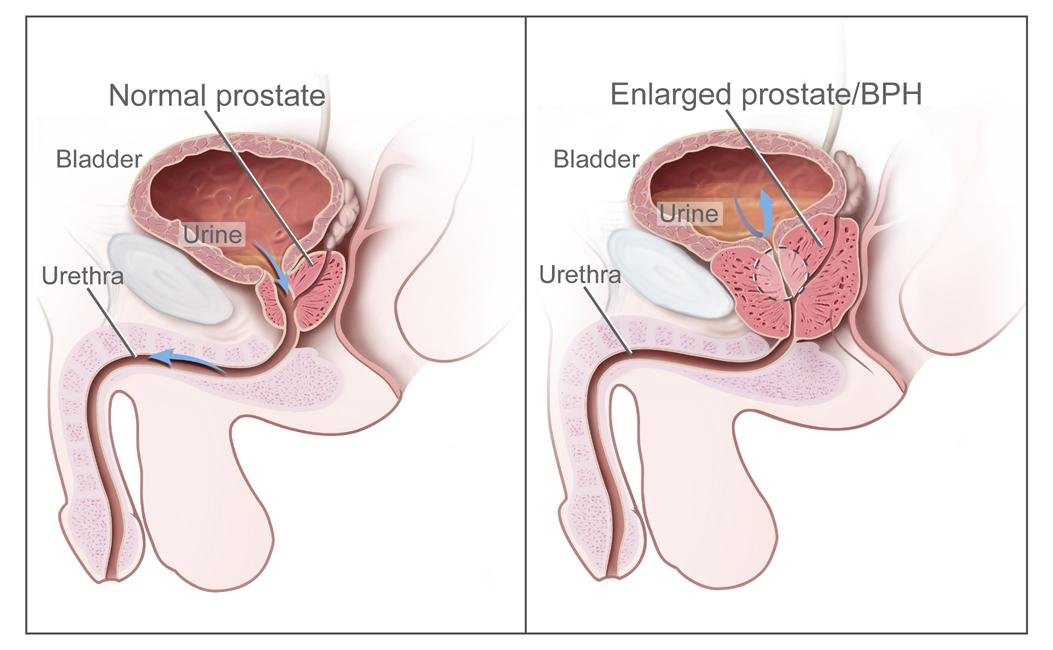
What Is an Enlarged Prostate?
An enlarged prostate is a common condition that can develop as men get older. The medical term commonly used for non-cancerous enlargement of the prostate is benign prostatic hyperplasia, or BPH.
The prostate sits below the bladder and surrounds part of the urethra. When the prostate becomes enlarged, it can contribute to changes in the way urine flows from the bladder.
An enlarged prostate does not automatically mean prostate cancer. However, urinary symptoms can have different causes, so persistent or concerning symptoms should be evaluated by a qualified healthcare professional. The National Institute of Diabetes and Digestive and Kidney Diseases provides additional information about benign prostatic hyperplasia and its symptoms.
Enlarged Prostate at a Glance
- BPH stands for benign prostatic hyperplasia.
- BPH is a non-cancerous enlargement of the prostate.
- Some men with an enlarged prostate have few or no noticeable symptoms.
- Others may experience urinary symptoms that affect daily life or sleep.
- Symptoms can have causes other than BPH, which is why medical evaluation can be important.
Symptoms of an Enlarged Prostate
An enlarged prostate can affect urination in different ways. The severity of symptoms varies from person to person.
Changes in Urine Flow
Some men may notice a weaker urine stream, difficulty starting urination or a stream that stops and starts.
Increased Urination
Urinary frequency or an increased need to urinate may occur, including during the night.
Urgency
Some people may experience a sudden or difficult-to-delay need to urinate.
Incomplete Emptying
Some men may feel that the bladder has not completely emptied after urination.
Explore Prostate Symptoms
Learn more about common prostate-related symptoms, possible causes and when medical evaluation may be appropriate.
Prostate Symptoms →What Causes an Enlarged Prostate?
The exact biological mechanisms involved in prostate enlargement are complex. Age-related changes and hormonal factors are believed to play important roles.
BPH becomes increasingly common with age, although not every man develops symptoms that require treatment.
How Is an Enlarged Prostate Diagnosed?
Evaluation depends on a person’s symptoms, medical history and other individual factors. A healthcare professional may use several approaches to understand what may be causing urinary symptoms.
Medical History
A healthcare professional may ask about urinary symptoms, medications, medical conditions and how symptoms affect daily life.
Physical Examination
Depending on the situation, a physical examination may be part of the evaluation.
Urine Testing
Urine testing may be used to help evaluate other possible causes of urinary symptoms.
PSA Testing
PSA testing may be considered depending on age, symptoms, risk factors and the clinical situation.
Learn About PSA Testing
PSA results are only one part of prostate evaluation. Learn more about what PSA testing measures and how it may be discussed with a healthcare professional.
PSA & Prostate Testing →Enlarged Prostate Treatment
Treatment depends on the severity of symptoms, their effect on quality of life, other health considerations and the results of medical evaluation.
Monitoring
Some men with mild symptoms may be monitored over time rather than immediately receiving treatment.
Lifestyle Changes
Depending on symptoms, healthcare professionals may discuss changes in fluid intake, timing of beverages and other everyday habits.
Medications
Several types of prescription medications may be used to manage symptoms of BPH.
Procedures
When symptoms are significant or other approaches are insufficient, different procedures may be considered.
Explore BPH Treatment
Learn about the different approaches that may be considered when managing symptoms associated with an enlarged prostate.
Prostate Treatment →Diet and Lifestyle
Healthy lifestyle habits can contribute to overall wellbeing. Nutrition and daily habits are sometimes discussed as part of managing men’s health and urinary symptoms.
However, diet should not be presented as a replacement for appropriate medical evaluation or treatment.
Explore Prostate Diet →Enlarged Prostate and Supplements
Many supplements are marketed for prostate health. Products can contain different ingredients, doses and combinations, while the amount and quality of scientific evidence varies.
Consumers should evaluate supplement claims carefully and discuss supplements with a qualified healthcare professional, particularly when taking medications or managing a medical condition.
Explore Prostate Supplements →Enlarged Prostate Articles
This section will grow as Wellness Today publishes detailed articles answering specific questions about BPH and prostate health.
What Is BPH?
Understand the meaning of benign prostatic hyperplasia and how it differs from other prostate conditions.
What Are the Symptoms of BPH?
Explore common urinary symptoms associated with an enlarged prostate.
How Is BPH Treated?
An overview of approaches that may be considered for BPH symptoms.
Frequent Urination at Night
Understand possible reasons for nighttime urination and its relationship to urinary health.
Weak Urine Flow
Explore possible causes of changes in urinary flow.
Complete Prostate Health Guide
Return to the main Wellness Today prostate health hub.
Health Information Disclaimer
Wellness Today provides educational information about health and wellness. This content is not intended to diagnose, treat or prevent any medical condition and does not replace individualized advice from a qualified healthcare professional. If you have persistent, severe or concerning symptoms, seek appropriate medical evaluation.
Continue Exploring Prostate Health
Explore other prostate health topics covered by Wellness Today.
← Back to Prostate Health