Weak Urine Flow in Men: Causes and What It May Mean
A weak urine stream can be frustrating, especially when it becomes harder to start urinating, takes longer to empty the bladder, or stops and starts during urination. Learn what weak urine flow may mean and when it may be worth talking with a healthcare professional.
Quick Answer: What Does Weak Urine Flow Mean?
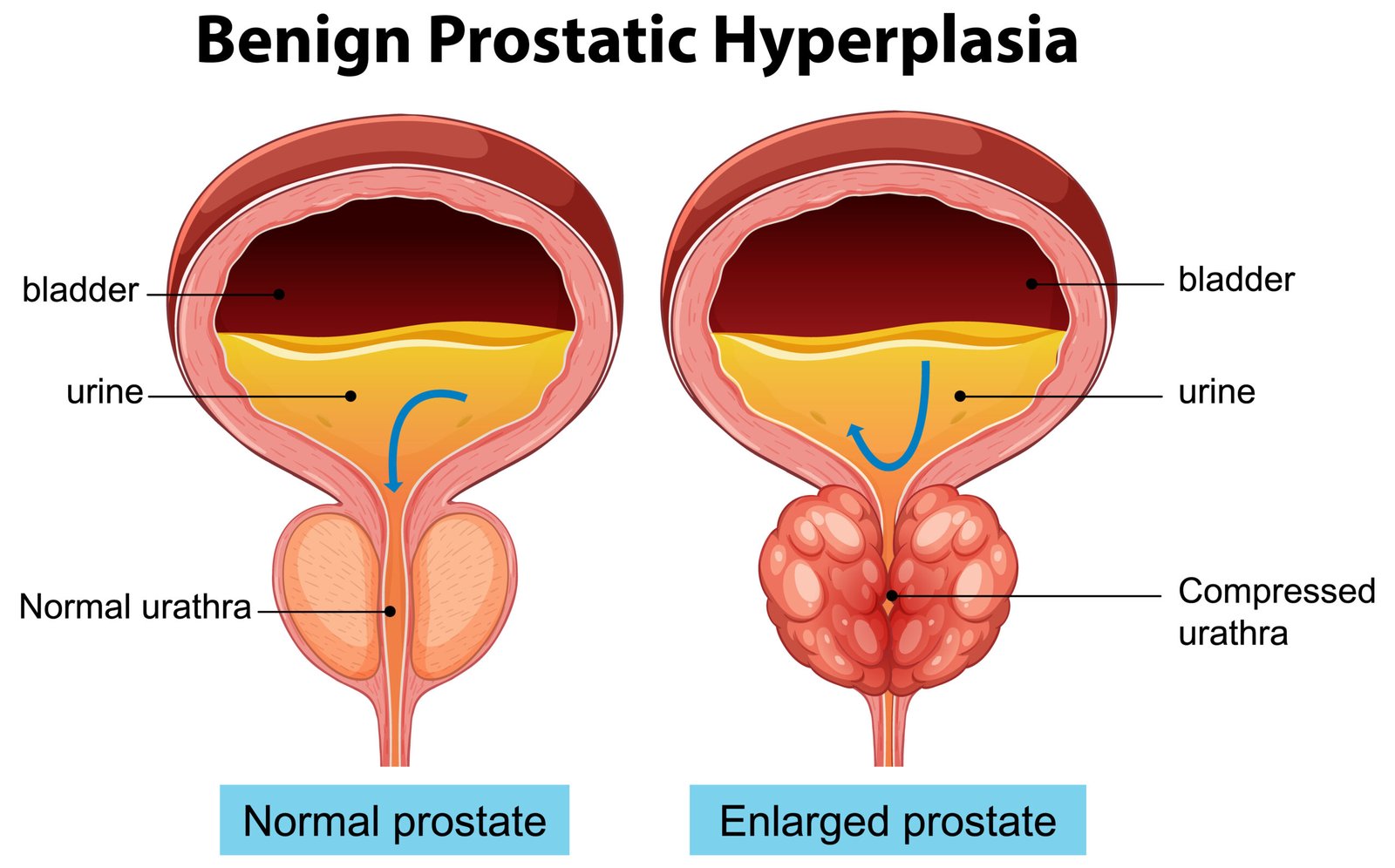
Weak urine flow means that urine comes out with less force or more slowly than usual. In men, one possible cause is an enlarged prostate, also known as benign prostatic hyperplasia (BPH), because an enlarged prostate can interfere with the normal flow of urine through the urethra.
However, a weak urine stream does not automatically mean that you have BPH. Urinary symptoms can have several possible causes, including prostate problems, urinary tract conditions, narrowing of the urethra, bladder problems, certain medications, and other conditions.
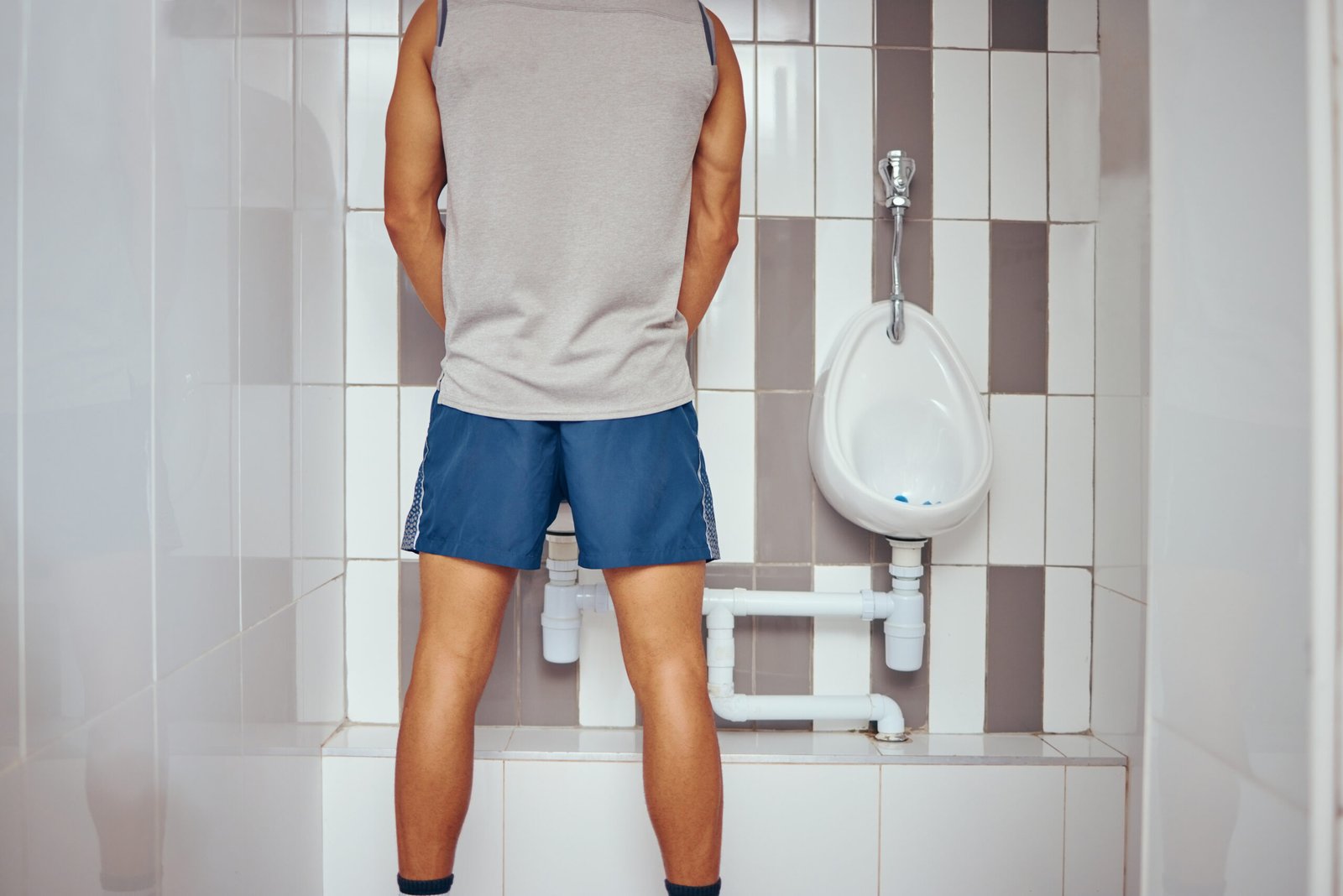
What Does a Weak Urine Stream Feel Like?
Not everyone experiences weak urine flow in exactly the same way. Some men notice a gradual change, while others become aware of it when urination starts taking longer than it used to.
A weak stream may occur together with other urinary changes, including:
- Difficulty starting urination
- A urine stream that stops and starts
- Taking longer to empty the bladder
- Dribbling at the end of urination
- Feeling that the bladder has not completely emptied
- Needing to urinate more frequently
- Waking up during the night to urinate
These symptoms can occur with BPH, but they can also occur with other urinary or prostate conditions.
Can an Enlarged Prostate Cause Weak Urine Flow?
Yes. An enlarged prostate can contribute to a weak urine stream. The prostate sits just below the bladder and surrounds part of the urethra, the tube through which urine leaves the body.
As the prostate becomes enlarged, it can affect the passage of urine through the urethra. This may contribute to symptoms such as difficulty starting urination, a weak or interrupted stream, dribbling, and incomplete bladder emptying.
BPH is not prostate cancer. However, because different conditions can cause similar urinary symptoms, persistent changes should be evaluated rather than assumed to be caused by an enlarged prostate.
If you want to understand the condition itself, read our guide: What Is BPH?
7 Possible Causes of Weak Urine Flow in Men
A weak urine stream can have more than one possible explanation. Some causes are related to the prostate, while others involve the bladder, urethra, medications, or the nervous system.
1. Benign Prostatic Hyperplasia (BPH)
BPH, or an enlarged prostate, is one of the most common causes considered when older men develop lower urinary tract symptoms. Symptoms may include weak urine flow, difficulty starting, interrupted flow, frequent urination, and incomplete bladder emptying.
2. Prostatitis
Prostatitis refers to inflammation of the prostate. Depending on the type, it may be associated with urinary difficulties as well as pain or discomfort in areas such as the pelvis, lower abdomen, penis, scrotum, or lower back.
3. Urethral Narrowing
Narrowing of the urethra can interfere with the normal passage of urine and may contribute to a weak or restricted stream.
4. Bladder Problems
Problems involving the bladder or the muscles that control urination can sometimes affect how effectively urine is released and how completely the bladder empties.
5. Urinary Tract Problems
Urinary tract conditions can cause changes in urination. Depending on the cause, symptoms may also include pain, urgency, unusual urine color or odor, or other changes.
6. Certain Medications
Some medications can contribute to urinary symptoms or make it harder to urinate. Cold and allergy medicines are among the types of medications that may sometimes affect urinary function.
7. Nerve or Neurological Problems
The bladder and urinary tract depend on nerves and muscles working together. Conditions that affect these systems can sometimes interfere with normal urination.
Weak Urine Flow vs. Other Urinary Symptoms
| Symptom | What it may feel like |
|---|---|
| Weak urine flow | Urine comes out more slowly or with less force than usual. |
| Difficulty starting | You feel the need to urinate but have trouble getting the stream started. |
| Interrupted stream | The flow starts and stops during the same urination. |
| Dribbling | Small amounts of urine leak or drip after urination. |
| Incomplete emptying | You feel as though urine remains in your bladder after going to the bathroom. |
| Nocturia | You wake during the night because you need to urinate. |
Not sure which urinary symptoms are associated with BPH? Read our complete guide to BPH symptoms to learn about the most common signs of an enlarged prostate.
When Should You See a Doctor About Weak Urine Flow?
A change in urinary flow does not always mean that something serious is happening. However, persistent or bothersome urinary symptoms are worth discussing with a healthcare professional.
Medical evaluation is especially important if weak urine flow occurs together with:
- Blood in the urine
- Fever or chills
- Pain or burning while urinating
- Significant abdominal or pelvic pain
- Pain in the penis or scrotum
- Difficulty starting or maintaining the urine stream
- A feeling that the bladder cannot empty completely
- Frequent nighttime urination
- A sudden or significant change in urination
Important: If You Cannot Urinate
If you are completely unable to urinate, seek medical attention promptly. Acute urinary retention can require urgent treatment.
How Is Weak Urine Flow Evaluated?
The evaluation depends on your symptoms, age, medical history, and other factors. A healthcare professional may ask when the symptoms started, how often they occur, and whether you have other urinary or prostate symptoms.
Depending on the situation, evaluation may include a physical examination, urine testing, blood tests, assessment of bladder function, or other tests used to investigate prostate and urinary problems.
Prostate tests may be considered when symptoms suggest a prostate problem. Learn more in our upcoming guide to PSA and prostate testing .
How Is Weak Urine Flow Treated?
Treatment depends on the underlying cause. There is no single treatment that is appropriate for every man with weak urine flow.
If BPH is responsible for the symptoms, treatment options can include monitoring, lifestyle changes, medications, minimally invasive procedures, or surgery depending on the severity of the symptoms and other individual factors.
You can learn more about the available approaches in our guide: BPH Treatment: Treatment Options for an Enlarged Prostate .

Related Prostate Health Guides
Medical Sources
Medical Disclaimer
This article is for educational and informational purposes only and is not intended to provide medical advice, diagnosis, or treatment. If you have persistent, worsening, painful, or concerning urinary symptoms, speak with a qualified healthcare professional. If you are unable to urinate at all, seek urgent medical attention.