Prostatitis: Symptoms, Causes, Types and Treatment
Prostatitis is inflammation or swelling of the prostate. It can cause urinary symptoms, pelvic discomfort, pain with urination, and other symptoms depending on the type. Learn what prostatitis means, what can cause it, and when medical evaluation may be needed.
Quick Answer: What Is Prostatitis?
Prostatitis is a condition involving inflammation or swelling of the prostate. Some forms are caused by bacteria, while other forms do not have a clear bacterial cause. Symptoms can include urinary problems, pelvic or genital pain, painful urination, and frequent or urgent urination.
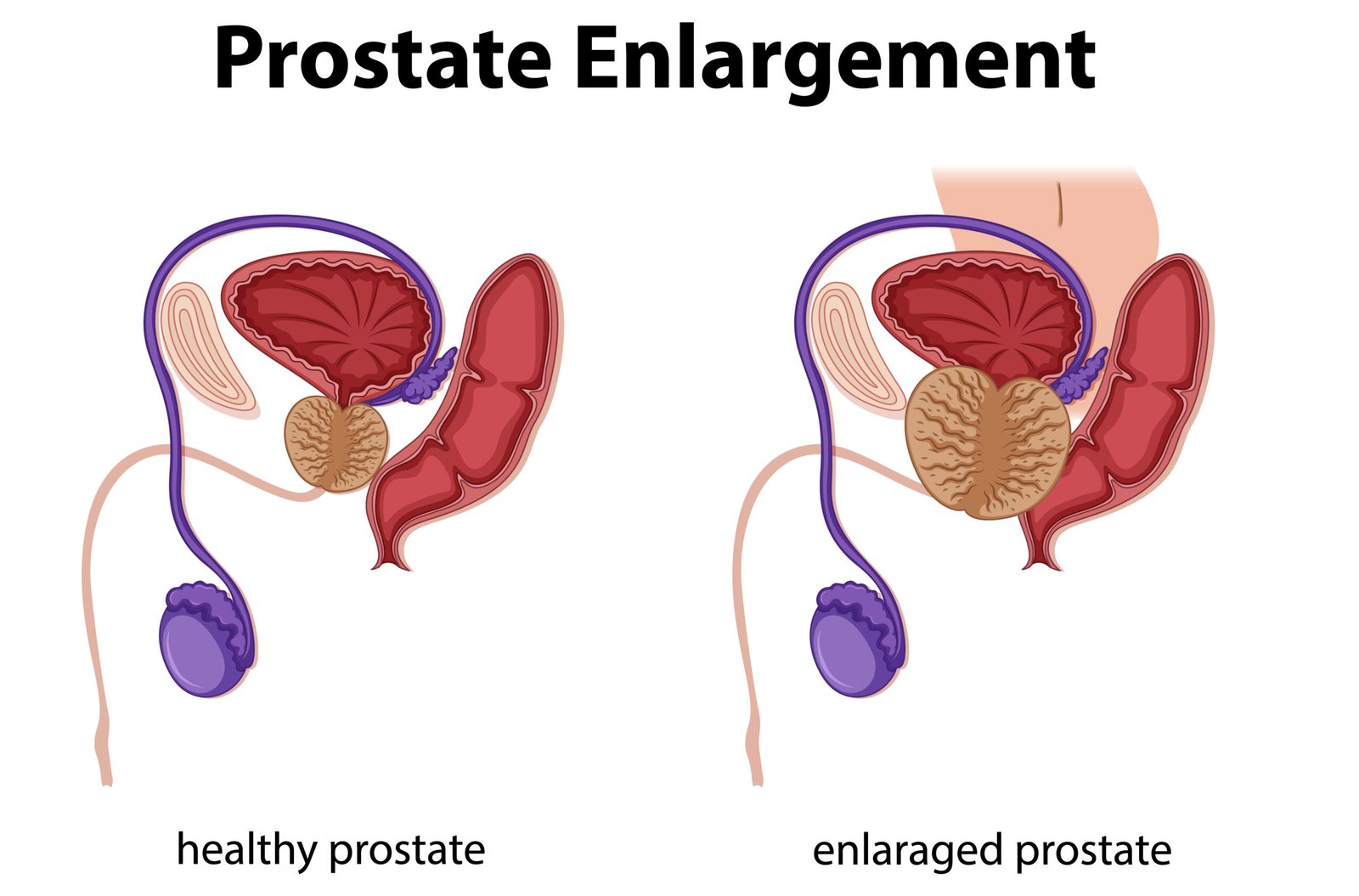
Prostatitis is different from an enlarged prostate caused by benign prostatic hyperplasia (BPH). Although the two conditions can cause some similar urinary symptoms, they are different prostate problems and require different evaluation.
What Is the Prostate?
The prostate is a small gland located below the bladder. It surrounds part of the urethra, the tube that carries urine from the bladder out of the body.
Because of its location, inflammation or swelling of the prostate can sometimes affect urination.
This is one reason prostatitis may cause symptoms such as difficulty urinating, urinary urgency, frequent urination, or a weak urine stream.
The 4 Main Types of Prostatitis
Prostatitis is not one single condition. Medical sources generally describe four main categories.
1. Acute Bacterial Prostatitis
This type is caused by a bacterial infection and usually develops suddenly. Symptoms may include urinary problems, pelvic or genital pain, fever, chills, and body aches.
2. Chronic Bacterial Prostatitis
Chronic bacterial prostatitis is caused by a bacterial infection that can persist or return over time. Symptoms may be less severe than acute bacterial prostatitis but can continue or recur.
3. Chronic Prostatitis / Chronic Pelvic Pain Syndrome
This is the most common form of prostatitis. It can cause ongoing or recurring pelvic pain and urinary symptoms, but there may be no evidence of a bacterial infection.
4. Asymptomatic Inflammatory Prostatitis
In this form, inflammation of the prostate is found during evaluation for another condition, but the person does not have symptoms caused by prostatitis.
Prostatitis Symptoms
Symptoms vary depending on the type of prostatitis. Possible symptoms include:
- Pain or burning during urination
- Difficulty starting urination
- Weak or interrupted urine flow
- Frequent urination
- A sudden or urgent need to urinate
- Waking frequently during the night to urinate
- Pain in the lower abdomen or pelvis
- Pain between the scrotum and anus
- Pain in the penis or testicles
- Painful ejaculation
- Blood in the urine in some cases
- Fever and chills with acute bacterial prostatitis
Some men may experience only a few of these symptoms, while others may have several at the same time.

Prostatitis vs. BPH: What’s the Difference?
Prostatitis and benign prostatic hyperplasia can both affect urination, but they are different conditions.
| Prostatitis | BPH |
|---|---|
| Inflammation or swelling of the prostate. | Non-cancerous enlargement of the prostate. |
| Some forms are caused by bacteria. | Not caused by a bacterial infection. |
| Can affect men of different ages. | Becomes increasingly common with age. |
| Pelvic, genital, or urinary pain may occur. | Urinary symptoms are often the main concern. |
| Treatment depends on the type of prostatitis. | Treatment depends on symptom severity and individual factors. |
If your main concern is urinary symptoms related to an enlarged prostate, see our guide to What Is BPH?
What Causes Prostatitis?
The cause depends on the type.
Bacterial prostatitis occurs when bacteria cause an infection in the prostate. The infection may be associated with bacteria originating elsewhere in the urinary or reproductive system.
Chronic prostatitis or chronic pelvic pain syndrome is different. In many cases, doctors do not find a bacterial infection. Several factors may potentially contribute, and the exact cause may remain unclear.
Because different conditions can produce similar symptoms, persistent urinary or pelvic symptoms should not automatically be assumed to be prostatitis.
Who Can Develop Prostatitis?
Prostatitis can affect men of different ages. According to the NIDDK, prostatitis is the most common prostate problem in men younger than 50.
Factors that may increase the likelihood of certain forms include previous prostatitis, urinary or reproductive infections, use of urinary catheters, and some other medical circumstances.

How Is Prostatitis Diagnosed?
Diagnosis begins with a discussion of symptoms and medical history. A healthcare professional may also perform a physical examination and order tests depending on the suspected cause.
Possible evaluation may include:
- Medical and symptom history
- Physical examination
- Urine testing
- Blood testing when appropriate
- Evaluation of the prostate
- Additional urinary or imaging tests when necessary
The goal is not only to identify prostatitis but also to rule out other conditions that can cause similar urinary or pelvic symptoms.
How Is Prostatitis Treated?
Treatment depends on the type of prostatitis and the symptoms. There is no single treatment that works for every form.
Bacterial Prostatitis
When prostatitis is caused by bacteria, antibiotics are generally used to treat the infection. The specific medication and duration depend on the infection and the healthcare professional’s assessment.
Chronic Prostatitis / Chronic Pelvic Pain Syndrome
Treatment may focus on reducing pain, urinary symptoms, and inflammation. Depending on the individual situation, healthcare professionals may consider medications, physical therapy, warm baths, or other approaches.
Managing Urinary Symptoms
Some men with prostatitis may receive medications that help relax muscles around the bladder and prostate to make urination easier.
Important: Antibiotics are appropriate for bacterial infections. They should not be used simply because urinary or pelvic symptoms are present without appropriate medical evaluation.
When Should You Seek Medical Care?
Seek prompt medical attention if you have symptoms that could indicate a more serious infection or urinary problem.
- You cannot urinate.
- You have a fever and difficulty urinating.
- You have significant pelvic or genital pain.
- You notice blood in your urine.
- Urinary symptoms appear suddenly and become severe.

Prostatitis and Other Prostate Problems
Prostatitis is only one of several conditions that can affect the prostate. BPH and prostate cancer are two other important prostate health topics.
Medical Sources
Medical Disclaimer
This article is for educational and informational purposes only and is not intended to provide medical advice, diagnosis, or treatment. If you have persistent, worsening, painful, or concerning urinary or pelvic symptoms, speak with a qualified healthcare professional. If you are unable to urinate, or have fever with difficulty urinating, seek medical attention promptly.