
What is Tinnitus? Beyond the Ringing in Your Ears
“For millions, silence isn’t quiet—it’s a roar. Understanding the neurological ‘glitch’ behind phantom sounds is the first step to finding relief.”
Strictly speaking, when we ask What is Tinnitus, we are describing a biological mismatch. It isn’t a disease in itself, but a persistent signal—a “phantom” sound—generated by the brain when it loses its connection to clear auditory input. Whether it’s a high-pitched whistle, a dull hiss, or a rhythmic thumping, the internal noise is a sign that your auditory system is trying to compensate for something it can no longer hear.
Fast Facts for 2026:
- Affects nearly 1 in 5 people globally, often peaking between ages 40 and 70.
- Subjective tinnitus (heard only by you) accounts for 99% of all clinical cases.
- New research links the intensity of the sound directly to neural inflammation.
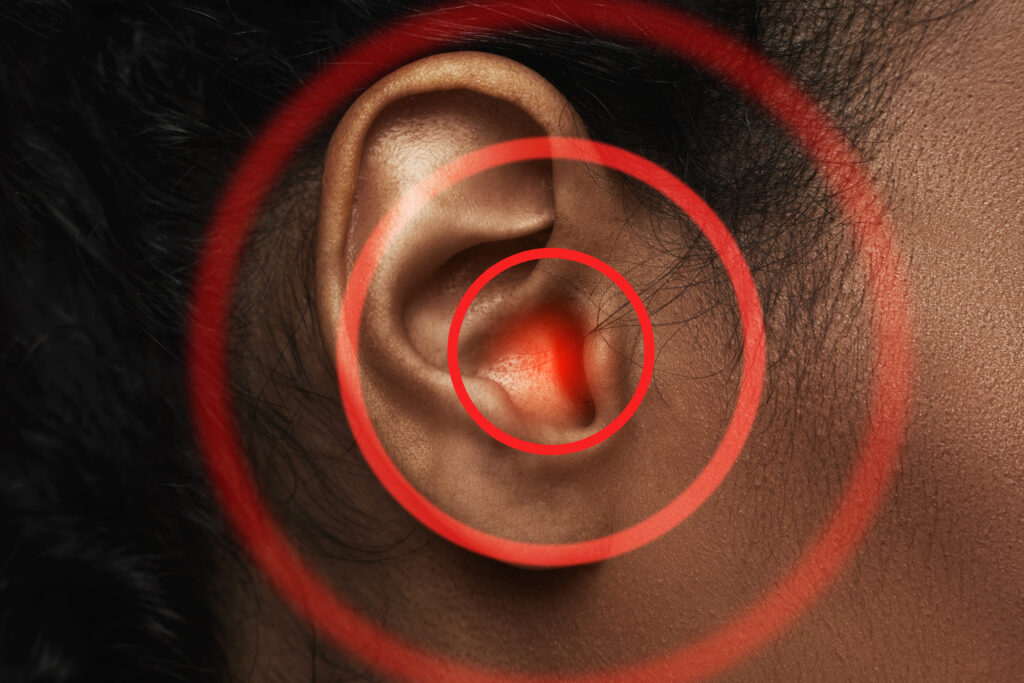
Understanding What is Tinnitus: Subjective vs. Objective
To truly grasp the complexity of the condition, one must distinguish between its two primary forms. According to the Mayo Clinic, subjective tinnitus is the auditory “ghost” that only the patient perceives. This is typically tied to damage in the microscopic hair cells of the inner ear.
Objective tinnitus, while rare, is a physical sound that a physician can actually hear using a stethoscope. This is often a circulatory issue, where blood flow near the ear becomes turbulent. As reported in the Tinnitus Ringing Ears CBS News special, the discovery of these vascular triggers has revolutionized how we treat high-frequency phantom noises in 2026.
Resource for Relief:
If the phantom noise is affecting your sleep or focus, you need more than just a definition. Our deep-dive report on how to silence ringing in ears covers the latest 2026 neural habituation protocols.
The Biological Roots of Phantom Sounds
Modern audiology has shifted its focus from the ear to the brain. In 2026, we understand that What is Tinnitus is often a “volume control” problem in the auditory cortex. When the ear is damaged, the brain tries to compensate by increasing its sensitivity to sound. This creates a neural feedback loop where the brain begins to “hear” its own internal electrical activity.
Factors such as oxidative stress, neural inflammation, and even chronic anxiety can amplify this signal. When the body is in a state of high alert, the brain sharpens its focus on the ringing, making it feel louder and more intrusive. This is why a holistic approach—treating both the ear and the nervous system—is the only way to achieve lasting quiet.
Frequently Asked Questions About What is Tinnitus
Is there a way to “turn off” the ringing?
While there is no universal “off switch” yet, 2026 protocols focus on habituation. By using sound therapy and specific neuro-nutrients, you can train your brain to filter out the phantom noise, much like it filters out the sound of a humming refrigerator.
Why is my tinnitus louder at night?
This is a common question when exploring What is Tinnitus. In the silence of your bedroom, there is no external “masking” sound. This allows your brain to focus entirely on the internal signal. Additionally, nighttime spikes in cortisol can make the auditory cortex more reactive.
Can certain foods trigger the noise?
Yes. High sodium intake, caffeine, and alcohol can alter blood flow to the inner ear, temporarily intensifying the ringing. Managing your circulatory health is a cornerstone of any effective tinnitus management plan.
Ultimately, knowing What is Tinnitus is only the beginning. Whether you are dealing with a temporary hiss after a concert or a chronic roar that won’t go away, the goal of 2026 medicine is to prevent these phantom sounds from becoming “hard-wired” into your permanent neural pathways. Protect your hearing, manage your stress, and consult a professional at the first sign of persistent ringing.